Peel-and-stick insulation panels are a fast, mess-free way to improve comfort and energy efficiency in any space. They work well for DIY projects and temporary setups, making them ideal for renters, homeowners, and hobbyists. The five highlighted products below are selected for versatility, installation ease, and effective thermal or acoustic performance. Each section explains who the product suits best, why it was chosen, and a practical caveat to consider.
| Product | Best For | Key Benefit | Limitations |
|---|---|---|---|
| BXI Insulation Foam Roll | Pipes, ducts, small spaces | Multi-layer radiant barrier with self-adhesive backing | Thickness may limit use on irregular surfaces |
| Maasechs Thermal Wallpaper | Walls in living areas | 5mm foam with self-adhesive for quick wall coverage | Surface prep required for best adhesion |
| Siless Liner 157 | Vehicle or portable spaces | Closed-cell, waterproof, strong heat barrier | Designed for automotive use; note sizing |
| Koncey Self-Adhesive Wallpaper | Cold walls and moisture-prone areas | IXPE insulation with aluminum foil backing | May require clean, dry surfaces for best adhesion |
| NEPIS Acoustic Panels | Home studios and offices | High NRC for sound absorption | Panel size and density vary from project to project |
BXI Insulation Foam Roll—Self-Adhesive Thermal Panel

The BXI foam roll features a 78 in × 13 in × 0.4 in multi-layer design with reflective aluminum foil. It is waterproof, moisture-resistant, and flame-retardant (B1). The self-adhesive backing enables peel-and-stick installation on garages, pipes, HVAC components, RV windows, and basements. Best for renters or DIYers who want a quick radiant barrier and moisture control without tools. Caution: ensure clean, dry surfaces for optimal adhesion, and be mindful of edge sealing to prevent peeling over time.
Maasechs Thermal Wallpaper—Self-Adhesive Foam

The Maasechs foam wallpaper offers 5mm thickness and self-adhesive backing, designed to reduce heat transfer through walls and improve room comfort year-round. It is suited for bedrooms, living rooms, apartments, and basements, especially in spaces with smooth surfaces. Best for improving interior comfort with minimal installation effort. Choose this if you want a wall-covering that adds insulation and some noise reduction. Caution: wipe walls clean before application and press edges firmly to prevent edge lifting.
Siless Liner 157—Car Sound Deadening Foam
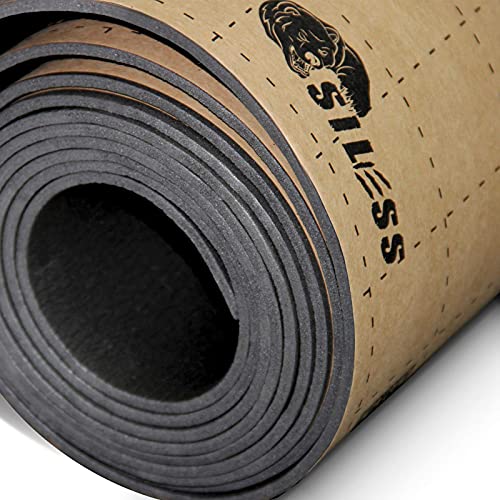
Siless Liner 157 is a closed-cell polyethylene foam with an adhesive layer. It provides excellent thermal insulation, blocks radiant heat, and reduces noise and vibration. It’s lightweight, waterproof, and flexible for easy installation in vehicles or portable spaces. Best for car or small-area applications where a strong heat barrier and moisture resistance are important. Limitation: automotive-focused data and sizing may require trimming for non-vehicle uses.
Koncey Self-Adhesive Wallpaper Panels
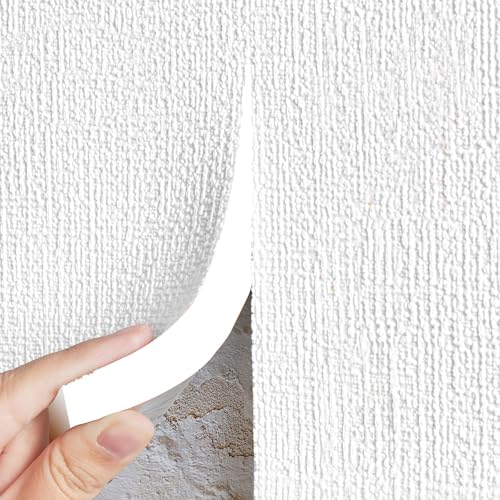
Koncey panels use IXPE insulation with a removable aluminum foil backing for cold-wall insulation. The backing is strong and the product claims a long-lasting adhesion. Best for moisture-prone interiors where a slim, self-adhesive panel is desired. Choose this if you need a durable, moisture-resistant wall layer. Caution: ensure a dry, dust-free surface for best sticking power, and expect potential edge lifting if applied over textured walls.
NEPIS Acoustic Panels—Self-Adhesive Squares

NEPIS panels offer high-density, self-adhesive acoustic foam with strong noise reduction properties. They are designed to absorb higher and lower frequencies and reduce echoes in home studios, offices, or living rooms. Best for spaces where sound quality matters and easy, tool-free installation is a priority. Limitation: panels are generally sized for modular coverage; plan layout to avoid visible seams in larger rooms.
Buying Guide
What should you consider when choosing peel-and-stick insulation?
- Surface compatibility: Smooth, clean surfaces ensure better adhesion; rough or dusty surfaces may require prep.
- Insulation goal: Use radiant barriers for heat reflection, foam for general warmth, or acoustic panels for sound control.
- Thickness and density: Thicker or denser options deliver stronger barriers but may be harder to fit into tight spaces.
- Moisture resistance: In moisture-prone areas, choose waterproof or moisture-resistant materials.
- Adhesive strength and removal: Some products are easier to remove or reposition, which matters for renters or temporary setups.
Practical tips
- Prepare surfaces by cleaning and drying; lightly roughen glossy surfaces for better grip.
- Measure area accurately and divide into manageable sections to reduce waste.
- Test a small patch before full installation to verify adhesion and finish.
FAQ
- Are peel-and-stick insulation panels effective for all rooms?
They work well for many spaces, especially where quick installation is desired. Effectiveness depends on material type, surface prep, and climate.
- Can these panels be removed without damage?
Most self-adhesive panels are designed for peel-and-stick use, but removal may cause minor surface residue or paint lifting on delicate surfaces.
- Which panel is best for sound reduction?
Acoustic-focused panels with high NRC ratings, like NEPIS, typically provide the strongest sound absorption.
- Do I need to touch each panel to ensure a seal?
Yes. After applying, press firmly along edges and seams to prevent gaps that reduce effectiveness.
- Are these panels safe for HVAC ducts and garages?
Choose panels with heat resistance and moisture protection for ducts and garages to avoid warping or peeling.
- Can I cut panels to fit irregular spaces?
Most peel-and-stick options can be trimmed with a utility knife; use a straightedge and measure twice to avoid waste.