Planning adventures in hot weather or uncertain climates? This guide highlights top portable RV air conditioners that balance cooling power, energy efficiency, and travel-ready design. From rooftop units to compact tent ACs, these picks cover RVs, vans, trucks, and campers. Each option is evaluated on cooling capacity, noise, power options, and portability so you can choose the best match for your rig and camping style.
Summary of chosen products:
| Product | Brand | BTU | Power/Notes |
|---|---|---|---|
| Exquimac 5600 BTU Portable AC | Exquimac | 5600 BTU | Cooling & Heating, tent, RV/van, portable |
| Countrymod 10000 BTU RV AC (Non-Ducted) | countrymod | 10000 BTU | Inverter design, quiet operation |
| RV Air Conditioner 12V 10000 BTU | outequip | 10000 BTU | Rooftop, low profile, heater option |
| OUTOHOME 5200 BTU Portable Tent AC | outohome | 5200 BTU | Compact, energy-efficient, versatile |
| EF ECOFLOW WAVE 3 Portable AC | EF ECOFLOW | 6100 BTU cooling / 6800 BTU heating | Battery-powered option, cordless |
Exquimac 5600 BTU Portable AC For Camping And RVs
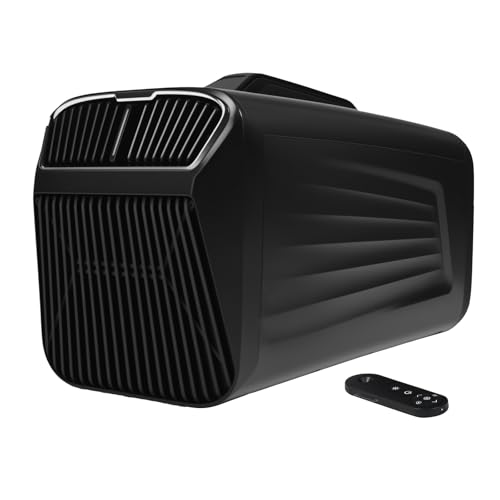
The Exquimac model delivers up to 5600 BTU of cooling power with the added benefit of heating. It’s designed to handle sudden temperature drops at night, making it suitable for tents and small RVs, vans, or trucks. The unit is described as portable and compact with an ergonomic handle, making setup straightforward in outdoor campsites or roadside stops. This flexibility supports both RV comfort and off-grid escapades, accommodating use inside a tent as a camping AC unit or embedded in a vehicle habitation area. It’s positioned as a versatile RV and outdoor climate solution that travels with you.
Key considerations include its dual-mode operation and multi-scenario usability. If you frequently shift between tent camping and a parked RV, this unit could simplify gear needs by combining cooling and heating in one compact device. Power versatility is highlighted, with compatibility for standard household power and portable power stations, ensuring you stay comfortable whether you’re in a campground or a remote site. For users prioritizing a lighter, mobile setup, this model’s design aims to balance weight with performance.
Countrymod 10000 BTU RV Air Conditioner (Non-Ducted)

This 10,000 BTU Countrymod unit emphasizes inverter-driven efficiency and quiet operation. The design aims to rapidly cool RV spaces while intelligently adjusting compressor speed to match cooling demand. With energy-saving claims of around 0.3 kWh per hour and the potential for extended runtime, it’s pitched as a practical option for both daily camping and longer trips. The low-noise range of 45–55 dB can help minimize disturbances during sleep, and the system emphasizes even distribution of cold air to avoid direct blasts.
Considerations for buyers include the inverter-based control, expected performance in mid-sized RVs or trailers, and how the unit integrates with non-ducted setups. Battery and generator compatibility are important for remote sites, where efficient power usage translates to longer operation without frequent recharging. If you value balance between cooling speed and low noise, this model seeks to deliver that compromise without sacrificing portability.
RV Air Conditioner 12V 10000 BTU Rooftop (With Heater)

This rooftop 12V RV air conditioner delivers 10,000 BTU of cooling power with a low-profile design. It’s built to be compatible with RV roofs and is described as quiet, which can be a critical factor for comfort on long trips. The unit includes a heater option to extend usability into cooler periods without needing a separate heating appliance. Construction emphasizes weather resistance and durable materials to withstand outdoor travel, UV exposure, and variable climates.
When evaluating this option, consider roof compatibility, mounting requirements, and power sources. The 12V operation aligns well with RV electrical systems and battery setups, though real-world performance will depend on insulation, ventilation, and camping style. For travelers seeking a balanced system that covers both cooling and heating in a single rooftop package, this model presents a solid fit.
OUTOHOME 5200 BTU Portable Tent AC

OUTOHOME’s 5200 BTU portable tent air conditioner focuses on compact cooling for camping and smaller spaces, including trucks, RVs, vans, or tents. It claims rapid cooling—up to 18℉ (10℃) in about five minutes in cooling mode—while maintaining energy efficiency with sub-400W power consumption. The unit’s size is designed for one-handed carry, and its suitability spans camping scenarios to smaller rooms where traditional wall units aren’t feasible. The product markets versatile use from outdoor camping to pet comfort indoors.
Prospective buyers should weigh the unit’s cooling capacity against space size and power availability. If you need a highly portable, budget-oriented option for intermittent use in tents or small RV sections, this model offers a compelling balance of performance and transportability. It’s particularly appealing when you want a dedicated camping AC that’s easy to move between vehicles or set up in a tent area.
EF ECOFLOW WAVE 3 Portable AC

The EF ECOFLOW WAVE 3 blends cooling and heating with a high-capacity battery option, enabling up to 8 hours of cordless operation. At 1800W cooling and 2000W heating, it provides robust climate control for camping, vanlife, and RV environments. The system supports rapid cooling and heating, with automatic temperature regulation and app-based monitoring. A notable feature is its portability and the ability to operate away from traditional power sources, aided by fast charging and a modular battery approach.
When evaluating this option, consider battery dependencies, charging methods, and real-world cooling coverage. For travelers who want true off-grid capability with smart control, Wave 3 represents a premium choice that prioritizes independence from campground hookups while maintaining reliable climate comfort.
Buying Guide: Key Purchase Considerations And Comparisons
- Cooling capacity vs space: Higher BTU numbers are not always better for small spaces. Measure your RV or tent area and match it with the unit’s BTU range to avoid overcooling or excessive cycling.
- Power source compatibility: Look for units that support multiple power options (AC, DC, battery, or portable power stations). This is essential for off-grid trips and remote locations.
- Noise levels: In small living spaces, noise can be disruptive. Compare decibel ranges and select models marketed for quiet operation if you sleep near the unit.
- Portability and setup: If you frequently move campsites or swap between tent and vehicle interiors, prioritize units with handles, lightweight designs, and simple mounting or placement.
- Durability and weather resistance: RVing subjects equipment to sun exposure and varying temperatures. Choose models with robust housings and weather-resistant components.
- Integrated heating: If you need year-round comfort, consider models with an integrated heater or heater option to extend usability beyond summer months.
- Energy efficiency: Inverter designs and low-wattage operation help extend battery life on off-grid trips. Check energy consumption per hour and estimated runtime with available power sources.
- Maintenance and filters: Easy-to-clean filters and accessible maintenance routines contribute to long-term performance and air quality inside your vehicle or tent.
- Compatibility with roof vs. portable use: Rooftop models provide permanent cooling but may require installation, whereas portable tents and floor units offer flexibility at the cost of potentially lower efficiency in very small spaces.
- Value vs budget: Compare initial costs with expected lifespan, warranty, and support. Higher upfront investment can pay off with reliability and longer service life on frequent trips.
In sum, the best portable RV air conditioner should align with your travel style, camping environment, and available power. For off-grid adventures, a battery-capable option that balances BTU with energy use can reduce the need for frequent recharging. If you typically camp near electrical hookups, a lower-noise rooftop unit or a compact tent AC can deliver efficient cooling without adding bulk. Consider how you prioritize portability, noise, and multi-season usability to pick the right model for your next road trip.