Choosing a basement floor coating requires balancing durability, ease of application, odor, and maintenance. This guide highlights five top options that perform well on concrete surfaces, resist stains, and stand up to foot traffic and minor moisture exposure. Each product section includes what it’s best for, application notes, and key benefits to help you decide which coating fits your basement needs.
| Product | Brand | Main Benefit | Coverage Notes |
|---|---|---|---|
| Rust-Oleum EpoxyShield Basement Floor Coating Kit (Tan Satin) | Rust-Oleum | Two-part epoxy with durable satin finish | Interior concrete floors; walk-on in 8 hours |
| Rust-Oleum EpoxyShield Basement Floor Coating Kit (Gray Satin) | Rust-Oleum | Stain- and abrasion-resistant satin | Interior concrete floors; similar cure times |
| DWIL Garage Floor Epoxy Kit (Light Gray) | DWIL | High durability with fast finish | Vehicle traffic ready in about a week |
| Professional Epoxy Floor Paint Kit (Sea Gray Acrylic) | ShangTianFeng | Single-component, wide coverage | Residential/commercial use; quick cure |
| Master Protective Coatings Epoxy Resin Coating (Grey) | Master Protective Coatings | 100% solids, self-leveling, versatile | Residential, industrial, or commercial floors |
Rust-Oleum EpoxyShield Tan Satin Kit

The Rust-Oleum EpoxyShield Tan Satin Basement Floor Coating Kit is a two-part, water-based epoxy designed for interior concrete basement surfaces. The satin finish offers a balance of aesthetics and cleanability, with strong resistance to stains and everyday wear. It becomes walk-on ready in eight hours, and regular foot traffic is acceptable after about 24 hours. This kit prioritizes durability while keeping application manageable for DIYers.
Rust-Oleum EpoxyShield Gray Satin Kit

Similar to the tan version, the Gray Satin EpoxyShield kit provides a durable two-part epoxy finish suited for interior basement floors. The satin texture offers easy cleaning and long-lasting protection from stains and abrasion. Curing times mirror the tan option, with foot traffic permitted after about 24 hours, making it a practical choice for spaces needing a quicker return to use.
DWIL Garage Floor Epoxy Kit (Light Gray)

The DWIL kit emphasizes robustness and a high-gloss finish to brighten basements and garages. It’s designed to withstand frequent vehicle traffic and heavy dragging, with an estimated lifespan of 5-10 years. The formula cures quickly, allowing foot traffic after about three days and vehicle traffic after seven days, helping minimize downtime during installation.
ShangTianFeng Professional Epoxy Floor Paint Kit (Sea Gray)
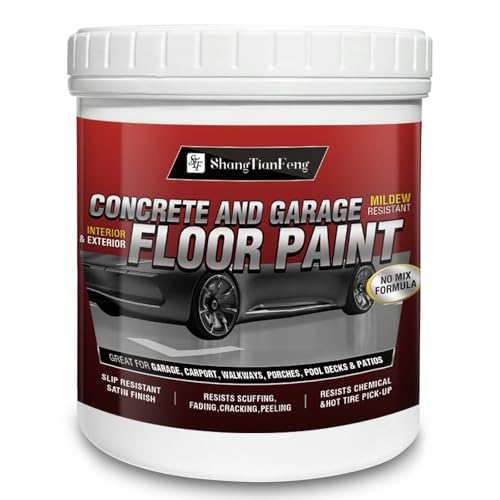
This Sea Gray acrylic coating is a single-component epoxy flooring option with broad coverage (up to 320-400 square feet). It’s designed for garages, basements, and other concrete areas. The kit emphasizes durability and quick-drying properties, with a cure timeline that supports light foot traffic in a few days and vehicle traffic after about a week.
Master Protective Coatings Epoxy Resin Coating (Grey)

The MPC-100 epoxy kit is a 100% solids, self-leveling formulation designed to create or restore epoxy floors. It’s versatile for residential, industrial, or commercial use and emphasizes strong adhesion, abrasion, impact, and chemical resistance. Because it contains no solvent, it reduces odors and potential amine blushing, making it a solid option for enclosed basements with limited ventilation.
Buying Guide: Key Purchase Considerations for Basement Floor Coatings
When selecting a basement coating, consider the following factors to ensure you pick a product that matches your space and budget.
- Base type and durability: Two-part epoxy systems typically offer superior hardness and chemical resistance, while single-component formulas may be easier to apply but might require more frequent maintenance in busy basements.
- Indoor air quality and odor: Low-odor or zero-VOC formulations benefit living spaces, especially basements with limited ventilation. Check product data sheets for odor and cure times.
- Moisture and substrate prep: Concrete moisture levels affect adhesion. Adequate grinding, cleaning, and moisture testing reduce the risk of coating failures.
- Gloss level and appearance: Satin finishes tend to hide minor imperfections and are easier to clean, while high-gloss options brighten the space but can highlight flaws.
- Cure times and downtime: Some coatings allow foot traffic within 24 hours, while others require several days before vehicle access. Plan installation around your schedule.
- Coverage and kit contents: Look at the total square footage per kit and what’s included (resin, hardener, additives, flake chips, clean-up materials) to determine true cost and effort.
- Maintenance and long-term care: Sealed floors resist stains but may require periodic re-coating or light maintenance depending on traffic and chemical exposure.
- Environmental and safety considerations: Choose low-toxicity options for basements used by family members with sensitivities, and follow ventilation recommendations during application and curing.
- Budget vs. durability: Higher upfront cost often correlates with longer lifespan and lower long-term maintenance; evaluate your plans for the space to determine value.
These considerations help balance installation effort, longevity, and overall cost. Each product above presents a different mix of durability, ease of use, and curing profiles, so evaluate your basement’s moisture level, usage, and time constraints when choosing a coating.