Looking for a black and white dance floor that’s portable, easy to assemble, and suitable for tap, ballet, or ballroom practice at home? This guide highlights five top choices that balance color, texture, and stability. Each option targets different buyers—casual hobbyists, serious practicers, or space-constrained setups—so you can pick the best fit for your space and shoes.
Summary table of selected products:
| Product | Color/Finish | Size / Coverage | Best For |
|---|---|---|---|
| VersaStep White 52 Sq Ft | White | 52 Tiles / 52 Sq Ft | Home practice with light, clean surface |
| VersaStep Black 52 Sq Ft | Black | 52 Tiles / 52 Sq Ft | High-contrast practice, darker floor for grip |
| VersaStep Black 20 Sq Ft | Black | 20 Tiles / 20 Sq Ft | Small spaces or portable practice area |
| Nexus Peel & Stick Black 20 Tiles | Black | 20 Tiles / 20 Sq Ft | Budget-friendly tile upgrade |
| VEVOR Roll Black/Grey 6.6×9.8 ft | Black/Grey | 6.6×9.8 ft roll | Large, flexible roll for temporary setups |
VersaStep White 12 x 12 Inch Interlocking Tiles

Includes 52 interlocking tiles for a total of 52 square feet. The tiles connect without glue or tools and feature a 3/8 inch vinyl surface over a rigid polypropylene base. Best for light-colored, high-visibility practice spaces and dance types that favor a clear, bright surface. Suitable for home studios and tap or ballet training on a stable, even tile system.
Who this is for: buyers seeking a larger white practice area that resembles a classic stage floor and is easy to expand as space allows. Why selected: consistent snap-together design supports precise footwork and minimizes setup time. Caution: the white surface can show scuffs more readily than darker options.
VersaStep Black 12 x 12 Inch Tiles (52 Tiles)
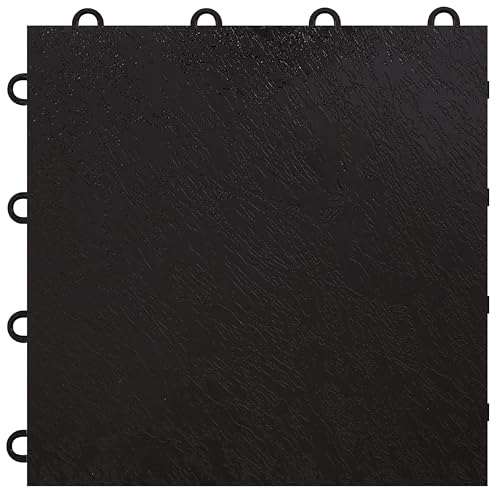
Like the white version, this 52-tile set covers 52 square feet and uses the same interlock system and 3/8 inch vinyl surface over a sturdy base. Best for those who want a sleek black floor that reduces glare and provides a strong visual contrast for foot placement. Choose this if you prefer a darker practice space and plan to configure a larger black-and-white layout over time.
Who this is for: dancers who want a uniform black surface with easy expansion. Why selected: consistent performance across white and black variants, enabling mixed-color layouts. Caution: color can show scuffs and chalk marks faster than darker shades.
VersaStep Black 12 x 12 Inch Tiles (20 Tiles)
A compact set of 20 tiles totaling 20 square feet. Best for small practice spaces or temporary setups where a black surface helps with foot visibility. Features mirror the larger VersaStep system with snap-together edges and a 3/8 inch vinyl surface. Suitable for frequent reconfiguration in apartment living spaces.
Who this is for: buyers with limited floor space seeking quick deployment. Why selected: portability and simple expansion when needed. Caution: limited coverage means more frequent reconfiguration for larger sessions.
Nexus Peel & Stick Black Vinyl Floor Tiles, 20-Pack

Twenty 12×12 inch black vinyl tiles with a peel-and-stick installation. No glue required, making it a budget-friendly option for creating a black floor surface at home. Best for renters or temporary setups where a clean, dark surface is desired without tools. Not ideal for high-demand tap routines if surface durability is a concern.
Who this is for: budget-conscious buyers needing a quick, low-commitment upgrade. Why selected: easy DIY installation and strong visual contrast. Caution: may require careful surface prep to ensure adhesion on uneven floors.
VEVOR Roll Black/Grey Vinyl Dance Floor, 6.6×9.8 ft

This large roll provides 6.6 feet by 9.8 feet of black/grey reversible surface with a 0.06 inch thickness. Best for those who want a flexible, semi-permanent setup that can be rolled out for longer practice sessions and can be cut to fit irregular spaces. The roll format is advantageous for creating a continuous surface with fewer seams.
Who this is for: dancers needing a sizable, adaptable practice area that can be rolled or cut. Why selected: versatile color option and large coverage. Caution: rolls may require careful alignment during setup to avoid edge curling over time.
Buying Guide: Key Considerations For Black And White Dance Floors
- Space and setup: Do you need modular tiles for easy reconfiguration, or a single large roll for seamless coverage?
- Traffic and use: Will you practice fast footwork that benefits from a stable, non-slip surface, or light practice with gentle movement?
- Color choice: Do you prefer high contrast for foot placement (black vs white) or a brighter, reflective surface for visibility?
- Installation and maintenance: Are you okay with peel-and-stick tiles, snap-together tiles, or handling rolls that require alignment and potential cutting?
- Durability and comfort: How thick should the top vinyl be, and does the base provide adequate rigidity to support precise footwork?
- Portability: Is the ability to transport and reconfigure the floor important for your living space or studio space?
Practical comparison questions
- What surface is best for beginners learning basic footwork at home?
- Which option offers the least setup time for a temporary practice area?
- How important is color contrast for improving alignment during routines?
- When should you choose interlocking tiles over a roll for durability?
- What trade-offs exist between price, coverage, and ease of installation?
Frequently Asked Questions
- Q: Are black and white dance floors suitable for all types of dance?
- A: Most vinyl floors support various dance styles, but consider surface texture and thickness for tap shoes or pointe work.
- Q: Do interlocking tiles require tools?
- A: No tools are required for the VersaStep interlocking tiles; they snap together for a seamless surface.
- Q: Can I mix black and white tiles for a custom pattern?
- A: Yes, modular tile systems allow mixing colors to create patterns or zones within a practice area.
- Q: How do I maintain grip and reduce slipping?
- A: Clean surfaces regularly and ensure the floor is level; some products offer matte finishes that help reduce glare and improve footing.
- Q: Is a roll better for long sessions?
- A: Rolls provide fewer seams, which can feel smoother for longer routines, but may require more precise placement during setup.