Prospective buyers often seek affordable double-pane windows that deliver solid energy efficiency without breaking the bank. This guide highlights five economical options suitable for budget-conscious projects, including single-hung and basement/sliding designs. Each pick emphasizes energy performance, ease of installation, and practical limitations to help you choose wisely for your home or rental. The table below compares core specs to help you decide at a glance.
- Product: COLORPAPA 24″ x 36″ Vinyl Single Hung Window, White — Energy-efficient vinyl frame with double-pane insulated glass.
- Product: NOTASA Vinyl Single Hung Sliding Window 24″ x 36″ White — Double-pane construction with rear drainage and tilt-in cleaning.
- Product: NOTASA Vinyl Single Hung Sliding Window 18″ x 24″ White — Compact option with double-pane glass and easy cleaning tilt-in sash.
- Product: COLORPAPA Vinyl Basement Sliding Window, 24″ x 12″ White — Durable vinyl frame with removable screen and enhanced soundproofing.
- Product: NOTASA Vinyl Basement Window, Bathroom Sliding Window 32″ x 18″ White — Waterproof vinyl frame with double-pane tempered glass for humid spaces.
COLORPAPA 24″ x 36″ Vinyl Single Hung Window
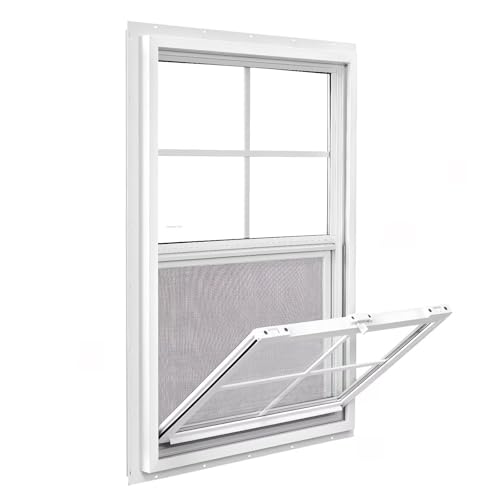
Best for budget renovations where a simple, space-efficient window is needed. The energy-efficient double-pane design helps reduce heating and cooling costs, while the vertical sliding sash offers smooth operation. The tilt-in feature supports easier internal cleaning and airflow adjustment. Ideal for mobile homes or new constructions where quick, straightforward installation is valued. Caution: pre-drilled holes and pre-installed screens simplify setup but ensure your rough opening dimensions match exact specs before purchase.
NOTASA Vinyl Single Hung Sliding Window 24″ x 36″ White

Better for retrofit projects needing quiet operation and weather resistance. Its double-pane insulated glass reduces outside noise and improves thermal control, while the built-in rear drainage system helps prevent water intrusion. The tilt-in sash simplifies interior cleaning. Choose this if you want lower maintenance and a drainage-ready design; avoid if you require larger sizes beyond 24×36 due to limited dimensions.
NOTASA Vinyl Single Hung Sliding Window 18″ x 24″ White
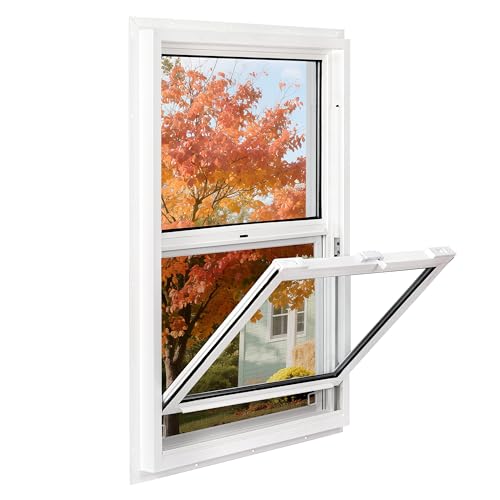
Best for tight spaces or small openings where energy efficiency matters without expanding the wall footprint. The 18×24 size fits compact bedrooms or bathrooms. It uses double-pane insulated glass and a tilt-in design for easy cleaning. Limitation: smaller sash limits view area and ventilation options; ensure opening width and height fit your wall opening precisely.
COLORPAPA Vinyl Basement Sliding Window, 24″ x 12″ White

Selected for basement or utility spaces where space-saving sliding operation matters. The vinyl frame resists warping, and the double-pane tempered glass provides enhanced insulation and sound reduction. Removable screen and secure lock add practicality for frequent ventilation. Caution: basement-grade framing may require precise moisture considerations; confirm your installation area can support sliding motion and sill clearance.
NOTASA Vinyl Basement Window, Bathroom Sliding Window 32″ x 18″ White

Best for humid spaces like bathrooms and basements where moisture resistance is key. The vinyl frame offers durability against humidity, and the double-pane tempered glass improves insulation and impact resistance. The sliding design with built-in screens helps keep dust and insects out. Limitation: larger 32×18 size may require stronger wall support and precise installation to avoid air leaks around the frame.
Buying Guide: Key Purchase Considerations
- Window type and opening: Choose single-hung for budget-friendly simplicity, sliding options for quick venting, or fixed/transom designs for decorative light and permanent light entry without ventilation.
- Frame material and durability: Vinyl frames resist warping and corrosion, offering low maintenance and good thermal performance in typical American climates.
- Glass and insulation: Double-pane insulated glass with tempered options and gas fills (like Argon) improve energy efficiency and reduce noise. Consider Low-E coatings for higher performance in sunny rooms.
- Size and rough openings: Verify exact opening dimensions. Some products come with pre-drilled holes and pre-installed screens to simplify installation, especially for retrofit projects.
- Moisture suitability: Basement and bathroom spaces benefit from moisture-resistant frames and tempered glass to tolerate humidity and provide safety against impact.
- Cleaning and maintenance: Tilt-in sashes make interior cleaning easier. Consider how often you’ll access the exterior surface and whether you need easy screen removal.
- Installation considerations: Some windows are designed for fast installation in new structures, while others are tailored for existing openings with specific drainage and sill requirements.
FAQ
- What is the benefit of double-pane glass in budget windows?
Double-pane glass improves energy efficiency by reducing heat transfer and can also help dampen outside noise compared to single-pane options. - Are vinyl frames durable for basements and humid areas?
Yes. Vinyl frames resist warping and corrosion, making them well-suited for humid or damp spaces with minimal maintenance. - Do all these windows have easy-clean features?
Several options include tilt-in sashes for interior cleaning, while some basement-focused windows emphasize moisture resistance and drainage features. - Can I install these windows myself?
Many are designed for straightforward installation, especially with pre-drilled holes and included screens, but check rough-opening compatibility and local codes. - Which window is best for noise reduction?
Windows with double-pane insulated glass and tempered glass generally provide better sound attenuation, especially if paired with proper seals and frames. - What size should I choose for a retrofit project?
Measure the rough opening precisely. When in doubt, select a window slightly smaller than the opening to allow shims and proper sealing during installation.