If downdrafts and moisture ruin your fireplace experience, you need a chimney cap designed to promote updraft, block rain, and keep debris out. This guide highlights five top options that target downdrafts while providing durable protection for American homes. The selections focus on wind-directional designs, rain covers, and robust mesh to maintain a clean, efficient chimney performance. Ideal for homeowners seeking a practical, proven upgrade for outdoor or indoor flues, especially where downdraft issues are recurring.
Buyer profile snapshot:
– Homeowners with frequent downdrafts or smoky backdrafts and who want wind-optimized performance.
– Those needing rain and debris protection for outdoor chimneys.
– Shoppers prioritizing rust resistance, durability, and easy installation.
| Product | Best For | Key Benefit |
|---|---|---|
| QUEYAAM 8″ Chimney Cap with Screen & Rain Cover | Medium to large flues | 304 stainless steel, adjustable fit, large conical top |
| Chimcare Chimney Caps 8″ Air Cooled Wind Directional | Downdraft-prone systems | Wind-directional design for improved draft |
| FAMCO Wind Directional Chimney Cap (6 Inch) | Compact flues | Maximum draft with wind-directional protection |
| Chimcare Chimney Caps – Wind Directional (9 x 17) | Outdoor, multi-flue setups | Wind-driven, enhances updraft and protection |
| Topfurn 8Inch Adjustable Stainless Steel Chimney Cap | General outdoor use on various flues | Adjustable clamp, wider coverage, easy installation |
QUEYAAM 8″ Chimney Cap With Screen & Rain Cover

Best for: Flues around 7.9″ to 8.3″ and homeowners who want durable stainless steel and a weather-ready seal. The 304 stainless steel construction resists rust and corrosion, while the adjustable clamp fit accommodates minor size variations. The conical top plus dense mesh helps prevent rain, snow, and pests from entering the chimney, supporting a cleaner burn environment.
Why selected: This cap combines robust material with a customizable fit, reducing the likelihood of downdrafts caused by wind gusts and debris entering through the top. The thicker mesh improves protection without sacrificing airflow. A good pick for long-term outdoor exposure.
Caution: The adjustable range is helpful, but verify your flue diameter precisely to avoid a loose or overly tight fit that could affect performance.
Chimcare 8″ Air Cooled Wind Directional Chimney Cap
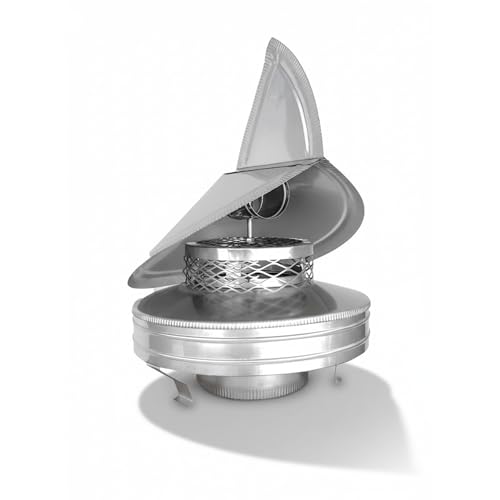
Best for: Upgrading draft efficiency in wind-prone installations. This cap is designed to optimize airflow and reduce unwanted downdrafts, while providing reliable outdoor protection against rain and debris. The stainless steel construction supports longevity in harsh weather.
Why selected: The wind-directional approach improves draft and reduces moisture-laden backflows, making it well-suited for homes in windy regions. It offers straightforward installation and a robust build for ongoing protection.
Caution: Like all wind-directional designs, effectiveness depends on local wind patterns; in very still environments, downdraft issues may persist if other home ventilation factors are not addressed.
FAMCO Wind Directional Chimney Cap (Galvanized Steel, 6 Inch)

Best for: Smaller flues where maximum draft is desired. This galvanized steel cap emphasizes wind-driven performance to mitigate downdrafts while improving overall exhaust efficiency.
Why selected: It provides a practical balance of wind-directional protection and durability for compact chimneys, especially where space is limited. The galvanized steel design withstands exposure to outdoor conditions.
Caution: 6-inch sizing may not fit all flue dimensions; confirm exact diameter before purchasing to ensure a snug, effective seal.
Chimcare Chimney Caps – Wind Directional (9 x 17 Inches)

Best for: Outdoor, multi-flue chimney setups where wind-driven updraft is a priority. The wide 9 x 17 inch footprint covers multiple flues and helps prevent downdrafts across a larger top area.
Why selected: The wind-driven design promotes updraft and blocks moisture entry, contributing to safer, more efficient operation in exposed environments. It also includes a spark arrestor component for added safety.
Caution: Larger footprint requires precise measurement of chimney top area to avoid overhang or fitment issues on smaller stacks.
Buying Guide: How to Choose The Right Downdraft-Preventing Chimney Cap
Key questions to guide your selection:
- What is my flue diameter and shape? Choose caps with adjustable clamps or sizes that match your flue to ensure a proper seal and effective wind management.
- Do I live in a windy area? Wind-directional caps are typically more effective in regions with frequent gusts, improving upward draft and reducing downdrafts.
- Is rain and debris protection a priority? For outdoor installations, a durable mesh and durable hood are essential to prevent moisture intrusion and blockage.
- What material best suits my climate? Stainless steel resists corrosion and is ideal for coastal or humid regions; galvanized steel offers good durability at a lower cost but may weather over time.
- Will the cap fit multi-flue configurations? If you have several flues, consider a larger footprint or a cap designed for multi-flue roofs to simplify installation.
- How easy is installation? Look for caps that include simple mounting hardware and clear instructions, especially if you’re replacing an older cap or performing a DIY upgrade.
FAQ
- Do chimney caps prevent downdrafts? Yes, wind-directional caps and properly sealed caps help reduce downdrafts by guiding airflow upward and blocking reverse currents.
- What size chimney cap do I need? Measure the flue diameter; many caps are adjustable within a small range, but matching exact size ensures best performance.
- Are stainless steel caps worth it? Yes, stainless steel resists rust and corrosion, extending cap life in harsh outdoor conditions.
- Can a cap affect chimney safety? A well-sealed cap with a spark arrestor helps prevent embers and debris from entering the home, improving safety.
- Will a larger cap increase airflow? A larger cap can improve airflow in some configurations, but the fit must match the flue to avoid turbulence or gaps.
- Should I replace only the top cap or the entire cap system? If the top element shows rust, wear, or poor fit, replacing the cap is often the simplest upgrade to address downdrafts.