Choosing the right concrete floor self-leveling compound depends on project needs like durability, odor, cure time, and environment. This guide highlights five top options: epoxy and cement-based blends for repairs, underlayments for new floors, and sealants for joints. Best for homeowners and contractors seeking fast, flat results with clear performance reasons. The table below compares the five products to help you decide which is right for your project.
| Product | Best For | Key Benefit | Limitations |
|---|---|---|---|
| ABATRON Abocrete Kit | Residential concrete repairs | Bonding, leveling, and void filling in one kit | Epoxy-based; may require mixing and handling |
| ARDEX TL 2000 | Underlayment for durable floors | Fiber-reinforced for strength and flex | May require surface preparation |
| Ardex K 301 Exterior | Exterior resurfacing | Rapid-hardening for faster downtime | Specialized exterior use |
| SIKA Sikaflex Sealant | Expansion joints and sealing | Waterproof, paintable, self-leveling | Not a structural leveling compound |
| Custom Building FP1-2 | Pre-mixed floor leveling | Water-resistant, versatile substrate prep | Liquid formula may require mixing consistency |
ABATRON Abocrete Kit – Self-Leveling Epoxy Patch

This self-leveling epoxy patching compound bonds, levels, fills, and resurfaces concrete and other rigid surfaces. It is designed for pitted, spalled, worn, and cracked concrete, including salt-damage repairs. The kit supports permanent repairs by bonding broken pieces and filling voids in floors, steps, and similar surfaces. It is GREENGUARD Certified with very low VOCs and minimal odor, offering a safer, cleaner repair option for indoor use.
Best for: Homeowners repairing cracked or damaged concrete indoors or on steps where a durable patch is needed. Choose this option when a structural repair and permanent bonding are priorities. Caution: Epoxy-based systems may require precise mixing and working time; follow the manufacturer’s instructions for handling and curing.
ARDEX TL 2000 Fiber Reinforced Self-Leveling Floor Underlayment

ARDEX TL 2000 is a fiber-reinforced self-leveling underlayment designed to smooth and level concrete, plywood, OSB, and other approved subfloors. It works well for interior floor prep in residential, commercial, and institutional settings and supports radiant heat systems and other preexisting substrates. The fiber reinforcement enhances durability and reduces cracking risk during installation.
Best for: Projects needing a durable, level subfloor ready for finish flooring. Better for: environments where added tensile strength is beneficial. Caution: Proper subfloor preparation is essential to avoid telegraphing or uneven results.
Ardex K 301 Exterior Self-Leveling Concrete Topping

ARDEX K 301 Exterior Self-Leveling Concrete Topping is a professional-grade resurfacing compound designed for exterior restoration and renovation work. It provides a durable, flat surface suitable for new construction or renovations and benefits from rapid-hardening technology, allowing foot traffic within a few hours and enabling early coating compatibility. It targets contractors and flooring professionals seeking reliable exterior leveling and resurfacing performance.
Best for: Exterior leveling projects where downtime is critical. Choose this if long-term exterior durability and fast post-application access are priorities. Limitation: This product is geared toward exterior use and professional crews; ensure suitability for your specific exterior condition and climate.
Custom Building FP1-2 Floor Patch
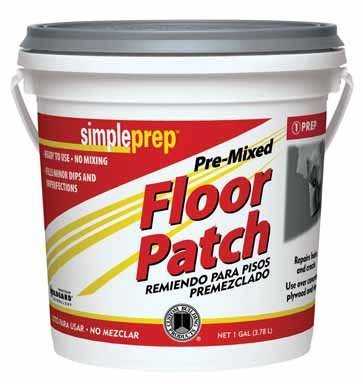
FP1-2 is a pre-mixed, water-resistant self-leveling compound intended to smooth and level floors prior to tile or finishing. It is designed for multiple surfaces, including concrete and some wall surfaces. The liquid formula provides easy application for prepared floors in bathrooms, kitchens, and other moisture-prone areas. It’s a practical choice for quick prep work and reliable leveling in varied settings.
Best for: Home improvement projects requiring an easy, ready-to-use leveling solution. Choose this for quick prep on moisture-prone areas. Caution: As a pre-mixed product, achieving the exact consistency may require careful measuring and mixing per instructions.
Kraft Tool GG600 Self-Leveling Kit

Kraft Tool GG600 offers a self-leveling kit designed for efficient surface leveling with durable tools. While focused on tool quality and longevity, this kit complements leveling work by providing reliable spread and leveling components for various cement and floor leveling tasks. It’s suited for users who prioritize robust hand tools along with leveling materials.
Best for: Pros and DIYers who want a complete leveling toolkit with lasting tools. Better for: projects where tool durability supports repeated use. Limitation: The kit emphasizes tools more than a finished leveling compound, so pair with a compatible leveling product for best results.
Buying Guide
What type should I choose: epoxy, cement-based, or sealant?
Epoxy self-levelers provide strong bonding and durable repairs for cracks and voids but require careful mixing and adherence to curing times. Cement-based underlayments offer fast drying and broad substrate compatibility for interior floors, while exterior formulations address weather exposure and rapid hardening. Sealants like Sikaflex are ideal for expansion joints and crack sealing, not primary leveling.
How important is cure time?
For busy projects, choose products with rapid cure or fast return-to-service times. Exterior or moisture-prone areas often benefit from formulations that resist water intrusion and tolerate quick traffic after initial cure.
What substrate considerations matter?
Assess substrate type (concrete, plywood, OSB) and existing conditions (moisture, contamination, cracks). Some products are optimized for concrete only, while others tolerate mixed substrates or underlayment applications beneath final flooring.
Which products offer safety and environmental advantages?
Look for GREENGUARD or low-VOC certifications when indoor air quality is a priority. Low odor is also a practical factor during application in living spaces or offices.
Application and compatibility tips
- Follow manufacturer mixing ratios and pot life closely for epoxy and cement-based products.
- Ensure surface preparation, moisture testing, and priming requirements are met before application.
- Plan for ventilation, personal protective equipment, and cure time between leveling and finish flooring installation.
Practical quick-start checklist
- Identify the substrate and moisture condition.
- Choose the appropriate product type for your project (repair, underlayment, exterior, or joint sealing).
- Prepare the surface per product instructions.
- Mix and apply within recommended pot life, ensuring a smooth, level finish.
- Allow proper curing time before proceeding with finish flooring or coatings.
FAQ
- Q: Can I use self-leveling compounds over existing coatings? A: Surface prep and primer requirements vary; check product guidance for adhesion and compatibility.
- Q: Do these products require professional installation? A: Some applications benefit from professional expertise, especially exterior or structural repairs; others are DIY-friendly with clear instructions.
- Q: Are these products suitable for radiant floor systems? A: Many cement-based underlayments are compatible, but confirm compatibility with radiant heat before use.
- Q: How long before I can walk on a freshly leveled surface? A: Cure times range from a few hours to a couple of days depending on product and environment; always follow the label.
- Q: Do any products seal cracks permanently? A: Some epoxy patch kits provide permanent bonding for cracks; others are best used in conjunction with sealants for expansion joints.