If you’re choosing floor tiles, understanding the difference between ceramic and porcelain helps match durability, moisture resistance, and style to your space. This guide highlights five top options and repair tools that suit different buyers—from busy households needing easy fixes to design-focused renovators seeking authentic marble looks. The top picks cover repair solutions, decorative patterns, and durable porcelain formats for floors and walls. Use the buying guide and FAQ to clarify which tile type fits your room, budget, and maintenance preferences.
| Product | Brand | Tile Type | Best For |
|---|---|---|---|
| Tile Repair Kit (Color Match), Ceramic & Porcelain Epoxy Putty | Ankita | Epoxy Putty Repair | Small chips and scratches, quick DIY fixes |
| MSI Indigo 8×8 Encaustic Glazed Porcelain | MSI | Porcelain | Stylish pattern, durable floor or wall tile |
| Tile & Stone Repair Kit, Putty Filler | VICBTZT | Putty Filler | Repairing damaged corners and edges |
| Tenedos 12×12 White Porcelain Floor Tile | Tenedos | Porcelain | Classic white porcelain for floors/walls |
| Merzoni Yard Marquina Porcelain Tile | Merola Tile | Porcelain | Bold marble-look porcelain |
Tile Repair Kit (Color Match), Ceramic & Porcelain Epoxy Putty for Floor

The Ankita epoxy putty is designed for small ceramic and porcelain tile damage. It offers color-matched pigments to blend white, gray, beige, and almond tones. Best for quick DIY repairs without tile replacement, and it cures hard enough to stay level under foot traffic. Best for homeowners who want a cost-effective, in-place fix rather than tile replacement. Caution: color matching relies on tint accuracy and may require subtle blending for perfect invisibility.
MSI Indigo 8×8 Encaustic Glazed Porcelain Tile

MSI Indigo 8×8 porcelain tile offers a durable, moisture-resistant option with a matte finish and subtle tonal variation. Ideal for kitchens and bathrooms or entryways where a decorative pattern is desired with long-lasting performance. This tile is best for spaces needing a reliable porcelain surface with a modern encaustic feel. Limitation: pattern variation can occur between batches, which may affect uniformity in large installations.
Tile & Stone Repair Kit, Putty Filler for Ceramic & Porcelain

VICBTZT’s repair putty fills chips, cracks, and pits on floors, walls, and stone surfaces. It comes in 10 colors to blend with common tile tones, including white, gray, and beige. Best for users who want multiple shade options and a waterproof, durable cure after setting. Choose this if you need a color-match repair that resists moisture and daily wear. Limitation: blending requires testing on a small area to avoid visible mismatch in large jobs.
Tenedos 12×12 White Porcelain Floor Tile

This 12×12 white porcelain tile provides a classic, easy-to-clean surface with a semi-matte glaze. Best for modern, bright interiors and spaces needing durable, uniform tile that resists moisture. A limitation is that white surfaces can show dirt and grout lines more readily, requiring regular cleaning and grout maintenance.
Daltile Florentine Porcelain Floor Tile in Carrara
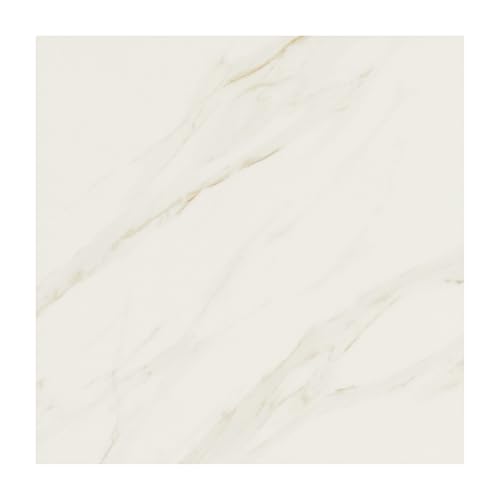
Merola Tile’s Florentine line uses porcelain with reveal imaging to mimic marble while delivering the durability of porcelain. Best for high-traffic areas where a marble-inspired look is desired without the maintenance of real stone. Limitation: high gloss or reflective surfaces may show water marks or smudges more easily in some lighting conditions.
Tile Repair Kit, Ceramic & Porcelain Match

cocomfix’s repair kit emphasizes color-matching through seven tint shades to blend with common tile tones. Best for repairs that require a close color match and a hard-setting, waterproof finish. Choose this if you want a flexible tint system and a durable result. Limitation: achieving a nearly invisible result may take careful color blending and curing time.
Buying Guide
- Durability vs. appearance: Porcelain tiles generally offer higher density and water resistance than ceramic tiles. If foot traffic, moisture, or spills are frequent, choose porcelain with a matte or low-gloss finish for easier maintenance.
- Pattern and color options: Encaustic or marble-look porcelain provides visual impact, while plain ceramic or white porcelain works well for classic, clean spaces. Consider batch variation and grout color when planning large installations.
- Maintenance needs: Some tiles require sealing (certain porcelains and stone visuals) while most porcelain tiles are low-maintenance. For repairs, opt for color-matching epoxy putty or multi-color repair kits to maintain a seamless look.
- Repairability: If replacement is disruptive or costly, select tile types and repair products that enable in-place fixes for chips, cracks, or edge damage without removing surrounding tiles.
- Installation environment: For bathrooms and kitchens, prioritize moisture resistance, stain resistance, and slip resistance in tile finishes and textures.
FAQ
- What is the main difference between ceramic and porcelain tiles?
– Porcelain tiles are denser and more resistant to moisture and wear, making them suitable for floors and high-traffic areas. Ceramic tiles are easier to cut and less expensive, good for walls and light-use floors. - Which tiles are best for bathrooms?
– Porcelain tiles with a matte or textured finish are generally best for bathrooms due to moisture resistance and grip. - Do I need special grout for porcelain versus ceramic?
– Most grout works well for both, but epoxy grout offers superior stain resistance and durability in damp areas. - Can I repair chips without replacing the tile?
– Yes, epoxy putty or color-matched repair kits can fix chips and small cracks without full tile replacement. - How important is color matching for repairs?
– Color matching minimizes visible repairs, especially on lighter or patterned tiles where mismatches are noticeable.