When hunting for a lake water filtration system, clarity, filtration stage, portability, and reliability matter most. This guide highlights five dependable options that suit lakeside activities, camping, or emergencies. Each pick prioritizes effective contaminant reduction, easy setup, and durable design to help you enjoy safer water wherever your journey takes you.
| Product | Brand | Key Benefit |
|---|---|---|
| Waterdrop Gravity Water Filter Straw (1.5 gal) | Waterdrop | High-capacity gravity bag, 5-stage filtration |
| Gravity Water Filtration System (2 bags) | Practical Survival | Low-weight, 2 bags, high capacity |
| iSpring RCC7AK 6-Stage RO | iSpring | Alkaline remineralization, NSF certified |
| Purewell 3-Stage 0.01μm Gravity | Purewell | Ultrafiltration, 0.01μm pore, stainless steel |
| Sawyer SP160 Gravity Filtration | Sawyer | Compact, 1-gallon reservoir, 0.1μm filter |
Waterdrop Gravity Water Filter Straw
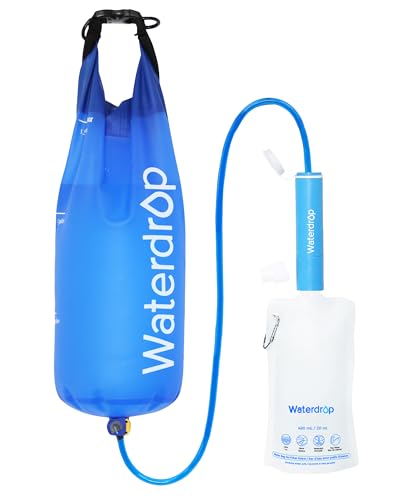
5-Stage Filtration combines premium coconut shell activated carbon and a 0.1 μm ultrafiltration membrane to remove chlorine, particulates, sediment, and odors. The 1.5-gallon gravity-fed bag enables all-day water supply for outdoor use. Lifespan can reach up to 1,400 gallons with a maximum flow rate around 700 ml/min, delivering reliable access to purified water during extended trips.
Designed for outdoor activities and emergency preparedness, this system pairs a large-capacity bag with a durable straw filter. It’s well-suited for campers, hikers, and survival scenarios where access to safe water is inconsistent. The combination emphasizes ease of use, portability, and substantial daily water yield without relying on power.
Gravity Water Filtration System – 2 High Capacity Bags

This gravity filtration kit includes two high-capacity bags (clean and dirty water), a high-capacity filter capable of handling around 1,800 gallons, and a cleaning plunger. It weighs under a pound, making it a practical option for backpacks, hydration bladders, or simple emergency setups. The system is compatible with common filtration standards, expanding compatibility with other filters and bottle setups.
The kit’s ultralight design suits hikers and campers who need a compact, dependable solution without heavy gear. The included bags and connectors ensure flexible setup in various environments, from forest streams to lakeside waters, while providing robust contaminant removal for safer drinking water.
iSpring RCC7AK 6-Stage Alkaline RO System

This under-sink reverse osmosis system includes a remineralization stage to restore beneficial minerals and a mineral-boosted pH balance for crisper tasting water. The top-mounted faucet design simplifies installation, and the system’s transparent first-stage housing helps monitor filter life. It is NSF-certified for certain performance claims and offers reliable reduction of common contaminants, producing a consistent supply of purified water for households and remote setups with proper plumbing access.
While primarily designed for home use, the RCC7AK provides a clear example of advanced filtration with mineral support. For lake access scenarios, consider how it would be installed in a permanent location or paired with a secondary portable filtration method for remote trips to ensure continuous safe water supply away from home.
Purewell 3-Stage Gravity Filter System

The 3-stage filtration stack uses a 0.01μm hollow fiber UF membrane, carbon block, and silver ion components to reduce chlorine, rust, sediment, and heavy metals. The 304 stainless steel housing and included stand deliver durability and stability, making this unit suitable for countertop or portable use at campsites near lakes. It maintains a steady flow rate of about 4 gallons per hour, balancing filtration depth with practicality for lakeside living.
With NSF/ANSI 42 and 372 certifications reflected in its design, Purewell emphasizes high filtration precision and safety. The stainless-steel construction also supports long-term use in outdoor environments, though the system remains best deployed where there is a steady water source and a stable installation surface.
Sawyer SP160 Gravity Water Filtration System
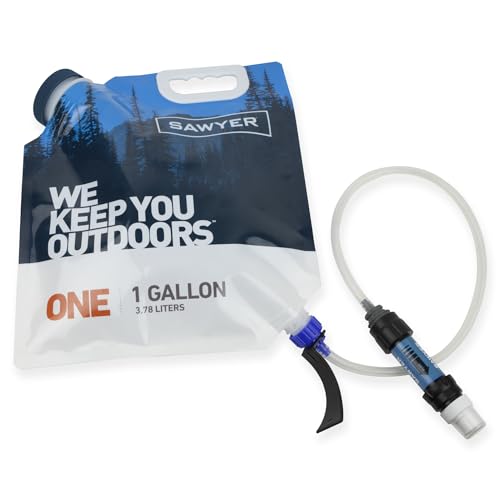
This compact gravity-based system combines a 1-gallon reservoir with a 0.1-micron absolute Sawyer filter. The dual-threaded design allows versatile connections, and the lightweight build makes it ideal for emergency kits, day trips, or minimal-pack travel. It’s been independently tested to meet performance standards, with a focus on portability and quick setup for safe drinking water in the field.
The SP160’s no-fail approach to gravity filtration makes it a practical choice when weight and space are at a premium. Its simple, reliable operation complements more robust systems for Lake-area use, especially for travelers who want quick access to safe water without electricity or complex setup.
Buying Guide
Purpose and environment: Assess how you will use the system—forests, lakeside camps, or daily home use in remote areas. Gravity-fed systems excel without electricity, while RO systems provide thorough contaminant removal where plumbing is available.
Filtration depth and contaminants: For lake water, target at least a 0.1μm or finer membrane, plus carbon for taste and odor. Consider systems with stage filtration, ultrafiltration or microfiltration to reduce bacteria, protozoa, particulates, and chemicals.
Capacity and flow: Larger bags or higher gallon-per-day rates suit longer trips. If you’re hiking or backpacking, lighter weight and compact design matter more than sheer capacity. For base camps, higher capacity options reduce refill frequency.
Portability and setup: Look for gravity-fed kits with easy assembly, lightweight materials, and included accessories like bags, connectors, or cleaning tools. For home-oriented units, plan for proper under-sink or countertop installation and faucet compatibility.
Durability and maintenance: Stainless steel or high-quality plastics extend product life in outdoor conditions. Check filter replacement intervals, availability of replacements, and whether the system includes cleaning tools or spare parts.
Certification and health standards: NSF/ANSI certifications indicate tested performance. When possible, choose units with third-party verification for contaminants removal and safe mineral balancing if applicable.
Cost and maintenance balance: Weigh initial price against ongoing filter replacements. Some devices offer long-term value with higher initial investment but lower annual filtration costs due to longer filter lifespans.
Compatibility and adaptability: Ensure the system can connect with various bags, bottles, or spigots you already own. A flexible setup reduces the number of accessories needed on any trip.
Safety and usage guidelines: Follow manufacturer instructions for assembly, maintenance, and storage. Be mindful of local water sources—if water is heavily turbid or likely to contain harmful contaminants, consider combining filters or pre-treating water to optimize filtration efficiency.