Answer: If you’re sealing or refreshing metal roofs, these five products offer proven protection, durability, and reflectivity for energy savings. Best for do-it-yourselfers, contractors tackling metal surfaces, and homeowners seeking a long-lasting finish with minimal maintenance.
The following table summarizes the five products chosen for metal roofing applications, highlighting who they’re best for and what they aim to achieve.
| Product | Best For | Key Benefit |
|---|---|---|
| APOC 208 Silver Guard-F Fibered Aluminum Roof Coating | Residential roofs seeking reflectivity | Bright, long-lasting reflective finish to lower cooling costs |
| Gardner Aluma-Kote Gloss Silver Fibered Aluminum Roof Coating | Metal and mobile home roofs | Durable fiber-reinforced coating for longevity |
| Rust-Oleum 710 Elastomeric Roof Coating | White reflective roofs with long-term warranty | High reflectivity and energy savings |
| Rust-Oleum Professional Cold Galvanizing Compound Spray Paint | Weathered galvanized surfaces and repairs | Restore galvanized protection with zinc coating |
| Rust-Oleum Stops Rust Brush On Enamel | Interior/exterior metal projects requiring rust protection | Rust prevention on metal, wood, concrete, and more |
APOC 208 Silver Guard-F Fibered Aluminum Roof Coating

Products like APOC 208 Silver Guard-F provide an aluminum pigment that reflects sunlight, helping reduce interior heat and cooling costs. It’s a fibered coating designed to extend roof life with interlocking fibers that boost durability and align with ASTM D2824 performance. Best for homeowners seeking a bright, long-lasting silver shield against sun damage.
Best for: homes with metal roofs in hot climates, DIY projects, and projects prioritizing reflected solar gain. Limitation: some projects may require multiple coats for full coverage depending on surface porosity.
Gardner Aluma-Kote Gloss Silver Fibered Aluminum Roof Coating
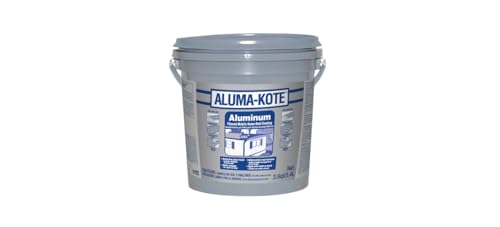
This coating combines a fiber-reinforced formula with a gloss silver finish to form a protective barrier on metal roofs and mobile homes. The polyester fibers add strength and flexibility, helping resist cracking and peeling over time. It’s a strong choice for longevity on metal surfaces.
Best for: metal and mobile home roofs needing durable protection and added flexibility. Caution: bonding quality depends on proper surface cleaning and prep prior to application.
Rust-Oleum 710 Elastomeric Roof Coating

Elastomeric coatings with white pigment offer up to 80% reflectivity, delivering substantial energy savings. A 10-year warranty and quick waterproofing provide a balanced option for roofs needing dependable, long-term performance. Best for: larger roof sections where energy efficiency and reliable waterproofing are priorities.
Limitation: white coatings can show dirt more readily; regular cleaning can help maintain reflectivity and appearance.
Rust-Oleum Professional Cold Galvanizing Compound

This spray provides a 93% pure zinc coating to renew weathered galvanized surfaces, ideal for touch-ups on gutters, fences, or roofing areas prone to corrosion. It dries quickly and covers moderately sized areas, making it suitable for spot repairs. Best for: maintaining galvanized metal protection and restoring a galvanized appearance.
Limitations: is a spray product best used in well-ventilated areas; larger areas may require multiple cans for full coverage.
Rust-Oleum Stops Rust Brush On Enamel (Metallic Aluminum)

Stop Rust enamel provides a durable rust-prevention barrier suitable for wood, metal, concrete, and masonry. The oil-based formula creates a robust protective layer and dries to the touch in a few hours, covering large surfaces efficiently. Best for: outdoor metal projects susceptible to rust and corrosion, with quick-drying convenience.
Limitations: oil-based paints may require ventilation and longer cleanup times; ensure proper surface preparation for optimal adhesion.
Buying Guide: Key Considerations for Metal Roofing Paint
- Reflectivity and Energy Savings: White or light-silver finishes reflect more solar heat, reducing cooling costs. If energy savings are a priority, choose elastomeric or reflective aluminum coatings with high reflectivity ratings.
- Durability and Flexibility: Fiber-reinforced formulas resist cracking on curved or uneven surfaces. Look for interlocking fibers or polymer matrices that tolerate expansion and contraction with temperature changes.
- Surface Type: Galvanized steel, aluminum, and bare metal surfaces respond differently to coatings. Some formulas are specifically designed for metal versus general use on multiple substrates.
- Curing Time and Application: Quick-dry and recoat windows affect project timelines. Consider whether you need a fast-turnaround option for busy schedules or a longer cure time for meticulous application.
- Weather and Coverage: Exterior roofs require weather resistance and long coverage. Check drying time, rain resistance, and the area a can covers per coat to plan accordingly.
- Maintenance and Recoat Cycles: Some products extend roof life and minimize future maintenance, while others focus on quick fixes. Choose based on desired longevity and upkeep needs.
Frequently Asked Questions
- What is the best metal roof coating for energy savings? Reflective coatings with white or silver finishes typically offer the strongest energy savings by reflecting sunlight and reducing cooling loads.
- Can these coatings be used on all metal roofs? Many are formulated for metal, including aluminum and galvanized steel, but check surface compatibility and prep requirements for each product.
- Do fiber-reinforced coatings last longer than standard coatings? Fiber-reinforced formulas often provide enhanced durability and resistance to cracking on metal surfaces, improving longevity in harsh conditions.
- How important is surface prep before painting a metal roof? Surface cleaning and priming are critical for adhesion and long-term performance; neglecting prep can lead to premature peeling or poor coverage.
- How long does a roof coating take to cure? Cure times vary by product; some coatings dry to the touch in hours, while full cure may require additional time and conditions.
- Are there safety considerations when applying roof coatings? Follow product instructions, use proper ventilation for solvent-based coatings, and wear protective gear during application.