The best peel-and-stick ice and water shields provide reliable protection against leaks, wind-driven rain, and ice dams for both new installs and repairs. This guide highlights five top options suited for varied roof types and climates, helping you choose the right product for your project. Ideal buyers: homeowners tackling DIY roof repairs, contractors seeking durable underlayment, and remodelers needing UV-resistant shields for cold-weather installations.
Summary of selected products
| Product | Brand | Best For | Key Benefit |
|---|---|---|---|
| Grace Self Adhering Ice and Water Shield 36″ x 66.6′ (200 sq ft) | Grace | Residential roofs with fastener sealing needs | Superior adhesion and water-tight laps |
| FT Synthetics Platinum HT-B Self-Adhering Roofing Underlayment | FT Synthetics | High-temperature roofs, demanding climates | 100% butyl for strong bond and nail sealability |
| Grace Ice & Water Shield HT | Grace | Sloped roofs needing UV resistance | High temperature tolerance and solid adhesion |
| HYDROSHIELD Self Adhering Ice and Water Shield Underlayment | HYDROSHIELD | Cost-conscious projects with safe grip | Low-waste packaging and foot-grip surface |
| Sasylvia 6″ x 33′ Self Stick Roll Roofing Panel | Sasylvia | Metal and small-to-mid projects | Solid adhesion and waterproofing, easy handling |
Grace Self Adhering Ice and Water Shield 36″ x 66.6′

Grace’s large roll provides a robust barrier for standard residential roofs. Features include a rubberized asphalt layer that seals around fasteners, water-tight laps, and slip-resistant surface for safer handling during installation. Best for homeowners and small contractors seeking straightforward, dependable protection around penetrations and along eave lines. Limitation: the roll size is large and may require cutting and trimming to fit irregular roof shapes.
FT Synthetics Platinum HT-B Self-Adhering Roofing Underlayment

This 41 mil underlayment uses 100% butyl adhesive for a strong bond to plywood or OSB decks and is compatible with low-slope roof systems like EPDM and TPO. It’s nail sealable and ASTM-certified, making it an excellent choice for demanding projects requiring dependable moisture protection. Best for: professional installers and DIYers working on modern roof assemblies with diverse substrate materials. Caution: high-temperature use demands careful handling to maintain edge seals during application in hot conditions.
Grace Ice & Water Shield HT
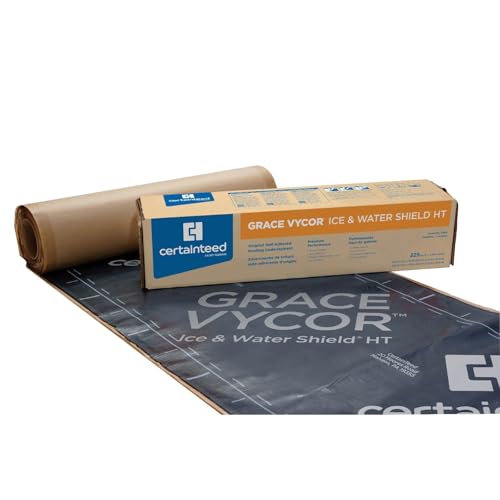
Grace Ice & Water Shield HT offers high-temperature resistance with strong self-adhesion and a rubberized asphalt composition. It seals around fasteners, provides slip resistance, and protects under sloped roofs. UV exposure tolerance up to 120 days makes it suitable for longer-term exposure during construction. Best for: roofs with potential prolonged sun exposure or higher attic temperatures. Limitation: extended UV exposure can begin degrading some membranes if left exposed beyond recommended durations.
HYDROSHIELD Self Adhering Ice and Water Shield Underlayment

HYDROSHIELD emphasizes low-waste packaging and a textured surface for foot grip. It self-seals around nails and fasteners to provide effective water protection with a split-back liner for easy handling. Best for: cost-conscious projects and installers prioritizing waste reduction. Caution: UV exposure is limited to about 60 days, so plan to cover or seal promptly in hot, sunny climates.
Sasylvia 6 Inch x 33 Feet Self Stick Roll

Designed for metal roofs, the Sasylvia roll features butyl rubber adhesive for a durable, waterproof seal and good adhesion to varied surfaces. It’s sized for smaller jobs and patches, with strong elasticity to adapt to thermal movement. Best for: dormers, porches, and small repairs on metal or plastic roof panels. Limitation: width is narrow, so larger repairs may require multiple rolls or additional material.
Pushglossy 1 Roll EPDM Roofing Membrane 50 Mil
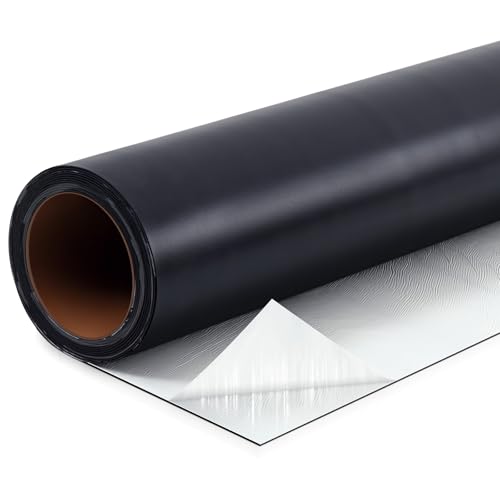
Note: This product is listed among EPDM underlayment options. It features a 50 mil EPDM membrane with a butyl adhesive backing for a lasting, waterproof seal and protection against ice dams. Best for: flat and low-slope roofs where EPDM is already in use or preferred. Caution: not included in the chosen five-product set but useful for comparison in EPDM-compatible projects.
Buying Guide: Key Considerations For Peel And Stick Ice And Water Shields
What roof type are you protecting? Peel-and-stick shields are commonly used on sloped and flat roofs. For high-temperature environments, choose products with strong butyl or rubberized asphalt layers (e.g., FT Synthetics HT-B, Grace HT) for better adhesion and UV tolerance.
How important is UV exposure tolerance? Some shields tolerate limited UV exposure; plan to cover or seal promptly if your roof will be open to sunlight for extended periods during installation.
Is nail sealing required? If you have nails or fasteners penetrating the barrier, look for self-sealing capabilities and compatible substrate types (plywood, OSB).
What about installation efficiency? Features such as split-release liners and slip-resistant surfaces improve handling, reduce installation time, and enhance worker safety on steep roofs.
What is your budget and project scale? Large residential jobs benefit from wider rolls with superior adhesive to minimize waste, while patchwork or small repairs may be more economical with narrower options.
Frequently Asked Questions
- What is peel-and-stick ice and water shield used for?
It provides a moisture barrier around fasteners and along eaves to prevent leaks from ice dams and wind-driven water, especially on sloped roofs.
- Can I install peel-and-stick shields over existing roofing?
Yes, on compatible roof decks like plywood or OSB. Ensure the surface is clean and dry before application for best adhesion.
- Do these products require special tools?
Typically no special tools are needed; scissors or utility knives and a roller can help ensure thorough bonding and flat laps.
- How long does UV exposure tolerance matter?
UV exposure duration varies; some products tolerate short-term exposure (weeks) during construction, others up to months. Plan installation accordingly.
- Are there safety considerations for steep roofs?
Yes. Use fall protection, proper PPE, and follow manufacturer guidelines to maintain edge seals and proper alignment during installation.
- Should I choose EPDM-oriented shields if my roof uses EPDM?
Yes. EPDM-compatible membranes with appropriate adhesive backings offer reliable adhesion and water protection for EPDM systems.