Answering common buyer questions: for clearer pool water, choose glass filter media when you want a sustainable, long-lasting alternative to traditional sand. The top products below are best for residential and above-ground pools, with options focused on glass media, recycled filter media balls, or practical sand alternatives. The right choice depends on your filtration system, maintenance routine, and water clarity goals.
| Product | Type | Best For |
|---|---|---|
| HARSCO METALS & MINERALS Filter Glass – 40 Lbs. Bag | 100% recycled glass media | Environmentally conscious pools needing efficient filtration |
| SPOOLSUPPLI 100% Recycled Swimming Pool Filter Media Glass – 40 lbs. Bag | Glass-based filter media (recycled) | Long-lasting replacement for traditional media with eco benefits |
| OptiFlow Premium Pool Filter Sand with Pure Silica Formula, 50 Pound Bag | Pure silica sand | Standard sand-filter setups; traditional option |
| 5.5 lbs Pool Filter Balls for Sand Filter | Filter balls (polyester fibers) | High-efficiency filtration with easier maintenance |
| Askyli 3.1 lbs Pool Filter Balls for Sand Filter | Reusable filter balls | Easy handling and replacement for sand filters |
HARSCO METALS & MINERALS Filter Glass – 40 Lbs

Best for eco-conscious homeowners who want a sustainable alternative to sand. The media is 100% recycled glass and designed for sand filter systems. It supports enhanced filtration by capturing fine debris, helping to improve water clarity when used as directed. Use this if you want a long-lasting glass media that minimizes waste and pairs with standard residential or above-ground pool filters.
buyers prioritizing recycled materials and clearer water with less backwashing. Limitations: may require flush adjustments to optimize bed depth for your specific filter tank.
SPOOLSUPPLI 100% Recycled Glass Media – 40 Lbs
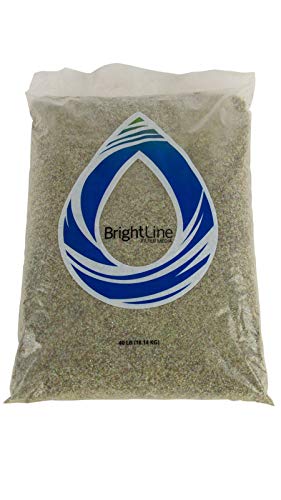
This bag offers 100% recycled glass media with claims of longer life than traditional sand and reduced media consumption. Best for pool owners who want a sustainable, long-lasting filtration media that can reduce overall media usage over time. Suitable for most sand-filter setups in residential or above-ground pools.
Who it’s for: buyers seeking a glass-based alternative with potential longevity benefits. Limitation: like other glass media, ensure your filter is compatible and that your backwash schedule is adjusted to avoid over-aggressive cleaning.
OptiFlow Premium Pool Filter Sand with Pure Silica Formula

Best for traditional sand-filter systems that want clean-cut filtration performance. The pure silica formula and angular grain design aim to improve filtration efficiency and flow, with a note on lower maintenance due to better backwash performance. Choose this if your setup relies on conventional sand filtration and you want dependable results.
Who it’s for: pool owners sticking with sand filtration. Limitation: not a glass media; replacements may differ in backwash behavior and lifespan compared to glass media.
5.5 lbs Pool Filter Balls for Sand Filter

Best for replacing sand with a more efficient fiber-based media. The 5.5-pound bag claims equivalence to 250 pounds of sand, offering lighter handling and lower water usage. The balls are polyester fibers designed to capture tiny particulates and reduce clogging, with reuse potential through washing. Good for people wanting an eco-friendly, low-maintenance alternative to sand.
Who it’s for: homeowners seeking a high-efficiency, reusable alternative to sand. Limitation: may require a different fill strategy and occasional washing cycle adaptation.
Askyli 3.1 lbs Pool Filter Balls

Best for quick improvement of filtration efficiency in all sand filter systems. The 3.1-pound bag features reusable polyester filter balls designed to quickly capture dirt and particles, reducing maintenance workload and backwashing frequency. They are marketed as a convenient replacement for sand, glass, or other media, and are easy to use.
Who it’s for: buyers prioritizing ease of use and reusability. Limitation: smaller bag size means more frequent replacements for larger pools or heavy debris loads.
Buying Guide
What to consider when choosing pool filter media:
- Filtration goals: For water clarity and debris removal, glass media and filter balls generally offer higher efficiency and easier maintenance than sand alone.
- System compatibility: Ensure your filter tank is designed to handle the media type, whether glass, balls, or sand.
- Maintenance and backwashing: Glass media and balls can reduce backwashing frequency; verify whether your setup supports the required backwash or rinse cycles.
- Environmental impact: Recycled glass media and reusable filter balls minimize waste compared with traditional sand, making them attractive for eco-minded buyers.
- Cost and availability: Consider initial cost, bag size, and replacement frequency based on pool size and debris load.
- Longevity and performance: Glass media typically lasts longer than sand, while filter balls offer high filtration with lower density changes over time.
FAQ
- What is the main difference between pool glass media and sand?
Glass media uses recycled glass and often lasts longer, with potential for improved clog resistance and clarity; sand is traditional and widely compatible but may require more backwashing. - Are filter balls reusable?
Yes, many filter balls are designed to be washed and reused, potentially reducing ongoing media purchases. - Will glass media affect my backwash frequency?
Filtering media can change backwash needs; monitor water clarity and pressure to adjust timing. - Can I mix media types in a single filter?
It is generally best to use a compatible media type with your filter and avoid mixing different media unless the manufacturer specifies compatibility. - Which option is best for eco-friendly pools?
Recycled glass media and reusable filter balls typically offer the strongest eco-friendly profile due to reduced waste and longer service lives. - Which product is best for a standard above-ground pool?
Glass media options and high-efficiency filter balls are well-suited for many above-ground setups, depending on tank size and flow rate.