When shopping for a portable reverse osmosis (RO) system, the top goal is reliable, compact filtration without permanent plumbing. This guide highlights five compact RO options that suit apartments, offices, RVs, and small kitchens. Each product section explains who benefits most, why it was selected, and practical trade-offs to consider.
Summary table of chosen products:
| Product | Brand | Best For | Key Reason |
|---|---|---|---|
| DREO 7-in-1 Countertop RO | DREO | Bachelors, small households needing auto-fill and self-cleaning | Auto-fill, self-cleaning, real-time TDS |
| Bluevua RO100ROPOT | Bluevua | Users wanting glass carafe and 2:1 drain ratio | Glass carafe, standby power saving, high efficiency |
| Waterdrop C2SL | Waterdrop | Balanced mineral-enhanced RO water | Mineral addition and auto-fill pitcher |
| Aigerri Portable RO | Aigerri | Homes needing 5-stage filtration with high capacity | 5-stage, 5:1 drain ratio, plug-and-play |
| VonWater CT910 | VonWater | Long-term use with real-time TDS display | 3:1 drain, NSF-certified components, real-time data |
DREO 7‑in‑1 Countertop RO Water Filter
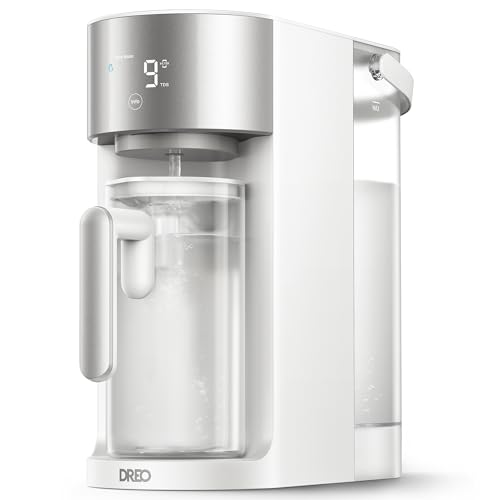
The DREO RO countertop system is designed for portable, installation-free use with real-time TDS monitoring and auto-fill features. It filters out 99.9% of common contaminants and supports a carefree maintenance routine with a self-cleaning cycle. Best for apartment dwellers or campers who want hands-free refills and straightforward setup.
- Best for: small households needing automatic refills and low-maintenance operation.
- Why selected: SGS-tested filtration, clear TDS status, and ease of use.
- Limitation: real-time TDS tracking requires periodic filter changes based on water quality.
Bluevua RO100ROPOT Countertop RO System
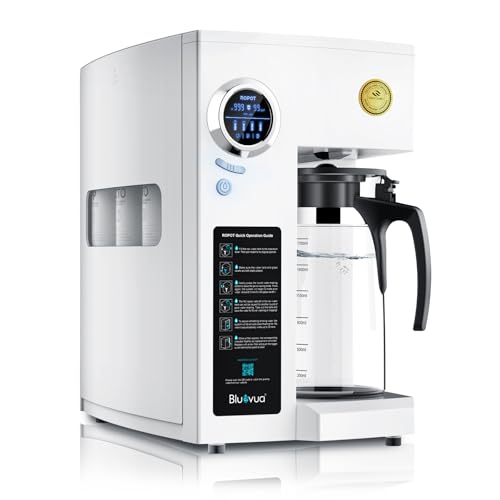
This Bluevua model emphasizes a 6-stage filtration with a 0.0001 μm RO membrane, UV enhancement, and remineralization to balance taste. It is suitable for users who want stronger contaminant reduction and mineral-rich water without permanent installation. Best for health-conscious households seeking filtered water with added minerals.
- Best for: users who want UV-boosted filtration and mineral balance.
- Why selected: comprehensive 6-stage filtration, glass carafe option, and energy-saving standby mode.
- Limitation: UV component adds complexity and maintenance considerations.
Waterdrop C2SL Countertop RO System

The Waterdrop C2SL delivers a 7-stage RO filtration with mineral addition for a balanced taste. Real-time TDS monitoring and an auto-fill glass pitcher simplify everyday hydration. Best for households that want mineral-enhanced water without faucet connections or complex setup.
- Best for: everyday drinking and cooking with mineral balance.
- Why selected: strong contaminant removal, convenient glass pitcher, no installation required.
- Limitation: 108 oz tank size may require refilling for larger households.
Aigerri Countertop RO Water Filter

The Aigerri unit uses a 5-stage filtration setup with a notable 5:1 pure-to-drain ratio, reducing wastewater while delivering purified water quickly. It’s ideal for homes or offices that want efficient filtration without plumbing changes. Best for: budget-conscious families seeking higher water efficiency.
- Best for: high-efficiency water use with solid filtration.
- Why selected: no installation required, large daily yield, and portable design.
- Limitation: may require more frequent filter replacement due to concentrate flow management.
VonWater 7-Stage Countertop RO System CT910

The VonWater CT910 emphasizes NSF-certified filtration elements and a smart, real-time TDS display. Its 3:1 pure-to-drain ratio supports efficient water use while maintaining high contaminant removal. Best for: eco-minded users who want transparent water quality data on the go.
- Best for: real-time monitoring and NSF-backed safety.
- Why selected: all-in-one filter with strong reduction of contaminants and user-friendly LED display.
- Limitation: larger footprint than some ultra-compact models.
Buying Guide
What should you consider before buying a portable RO system?
Filtration stages and contaminant removal capabilities vary. Look for at least 5-stage systems with a 0.0001 μm RO membrane for robust purification, especially if your water quality includes lead, PFOS, or PFAS.
- Water efficiency: check the pure-to-drain ratio. A higher ratio means less water wasted.
- Capacity and portability: ensure the tank size fits your usage and space constraints.
- Maintenance: consider filter life indicators and whether self-cleaning or auto-fill features are offered.
- Materials: glass carafes prevent plastic contact with water; ensure components meet safety standards.
- Power and installation: battery or plug-powered devices add convenience but watch for energy use.
How to compare models quickly?
- Best for quick fill and minimal setup: choose removable pitcher systems with auto-fill.
- Best for mineral balance: pick models with remineralization filters or mineral additions.
- Best for reducing contaminants to very low levels: target 0.0001 μm membranes and multiple filtration stages.
Real-world needs vs. features
If you need a system for a small apartment, a countertop model with auto-fill and self-cleaning can simplify daily use. For homes with higher mineral preferences, consider those offering remineralization filtration and UV or mineral additions. For outdoor or RV living, portability and a long-term water-saving ratio are key.
FAQ
- Q: Do portable RO systems remove all contaminants? A: They significantly reduce many contaminants, but removal depends on the membrane quality and stage design. Always verify membrane specs and certifications.
- Q: Is installation-free a real advantage? A: Yes, installation-free units are ideal for renters or temporary setups, as they don’t require plumbing changes.
- Q: What is a good drain ratio? A: A 2:1 to 3:1 pure-to-drain ratio is common and water-saving, though higher ratios may reduce wastewater further.
- Q: Do these systems add minerals to water? A: Several models include remineralization or mineral-addition stages to improve taste and balance.
- Q: How often should I replace filters? A: Replacement frequency depends on usage and input water quality; follow manufacturer indicators for best results.
- Q: Are these safe for use with municipal tap water? A: Yes, most are designed for municipal water, but ensure your water meets local safety standards and replace filters as recommended.