Choosing a reliable pot belly stove can significantly improve warmth and comfort in living spaces. This guide highlights five wood-burning stoves that balance heat output, durability, and features for American homes. Each option is evaluated on how it heats, ease of use, and long-term value, helping you compare performance and fit for your space.
| Product | Brand | Approximate Heating Area | |
|---|---|---|---|
| Cleveland Iron Works Single Burn Rate Erie | Cleveland Iron Works | Up to 900 sq. ft. | 18 in log length, 1 year warranty |
| Canyon Lodge Medium Wood Stove | Canyon Lodge | Up to 2,500 sq. ft. | Brick-lined firebox, cast iron door with window |
| Huron Medium Wood Stove | Cleveland Iron Works | Up to 2,500 sq ft | 18-in log capacity, firebrick lined |
| Pleasant Hearth 1,200 Sq. Ft. Small Stove | Pleasant Hearth | Up to 1,800 sq. ft. | EPA certified, large glass window |
| US Stove Company SR57E Rancher | UNITED STATES STOVE Co | Varies with setup | Cast iron cooking range, four lift-out cook lids |
Cleveland Iron Works Single Burn Erie Wood Stove

The Cleveland Iron Works Erie model is designed for compact spaces yet delivering solid heat. It supports loads up to 18 inches, making it suitable for moderate wood sizes. The unit offers a practical burn rate with a straightforward setup, and it carries a one-year warranty for basic protection against manufacturing defects. It heats up to roughly 900 square feet, making it a solid pick for living rooms, cabins, or small workshops that rely on wood heat during colder months. Consider chimney compatibility and clearances when installing.
Canyon Lodge Medium Wood Stove

The Canyon Lodge stove is built to heat larger spaces, rated to cover up to 2,500 square feet. Its brick-lined firebox enhances longevity and efficiency, while the cast iron door with a viewing window adds a clear perspective on fire conditions without frequent opening. This model is well-suited for open-plan living rooms or ranch-style homes where steady, ambient warmth is desired. Installation considerations include floor protection, chimney height, and air-draft controls for consistent burns.
Huron Medium Wood Stove

The Huron model combines robust heat output with practical fire management. It heats up to 2,500 square feet and accepts 18-inch logs, a good fit for larger living areas or small cabins. Firebrick lining helps maximize combustion efficiency and stove longevity. This stove is designed for steady, extended burn times, supporting lower wood consumption per hour when operated with proper draft control. Check local code requirements for venting and setback distances.
US Stove Company SR57E Rancher Cast Iron Stove
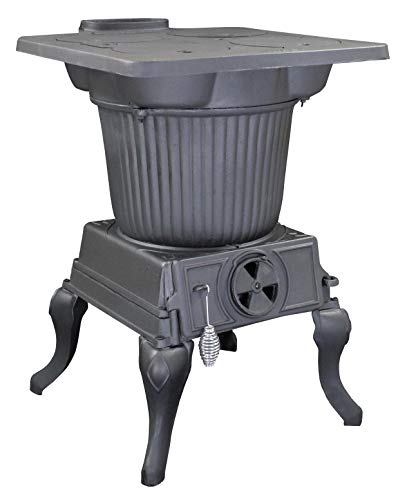
The SR57E Rancher blends a cast-iron cooking surface with traditional wood heating. This multi-use stove is designed for top-loading convenience, with four lift-out cook lids and a shaker grate for ash management. It is a robust option for users who value cooking capabilities alongside space heating. Its burn setup supports versatile fuel loads, and the cast-iron construction contributes to heat retention and durability. Ensure proper air supply and clearance as part of installation planning.
Guide Gear Outdoor Wood Burning Stove
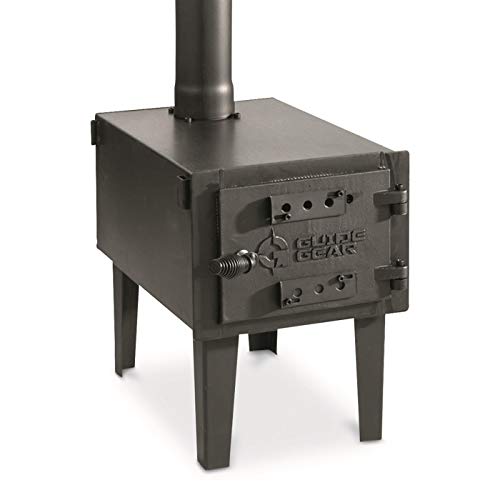
Note: An additional option considered for outdoor heating and cooking is the Guide Gear outdoor stove. While primarily designed for outdoor use, it demonstrates the versatility of wood-burning appliances for campers or backyards. Features include a galvanized steel fire box and a cast iron front door with an air vent, suitable for heating or cooking in open spaces. For indoor use, always verify local codes and ensure proper venting and emissions compliance.
Buying Guide: Key Purchase Considerations
When selecting a pot belly stove for wood burning, consider these dimensions to maximize efficiency and safety:
- Heating area and stove size: Match the stove’s output to the intended space. Overpowered units may waste fuel, while underpowered ones struggle in cold rooms.
- Fuel flexibility: Most stoves burn cordwood, but some models are better suited for longer logs or alternative fuels. Check log length capacity and loading options.
- Ventilation and clearance: Proper chimney type, height, and clearances from walls and furniture are critical for safe operation and efficient heat transfer.
- Materials and construction: Cast iron and firebrick linings offer durability and heat retention. Look for heavy-duty doors, seals, and air controls that last over time.
- EPA certification and emissions: EPA-certified stoves typically meet stricter emissions standards and can be more efficient, reducing fuel use and smoke.
- Ease of maintenance: Features like easy ash removal, shaker grates, and accessible cleanouts simplify upkeep and performance consistency.
- Cooking features: If cooking is a goal, consider stoves with top-loading or built-in cook surfaces, noting how heat may affect cooking times.
- Warranty and service: A longer or comprehensive warranty can offset higher upfront costs, especially for mid- to long-term ownership.
In sum, the best choice depends on your space, usage patterns, and desired balance between heating efficiency and added features like cooking surfaces or viewing windows. Assess installation requirements, local codes, and long-term running costs when deciding.