If you’re updating a room with a durable, stylish floor, engineered wood flooring is a strong choice. This guide highlights five engineered wood or wood-adjacent options, showing who each product is best for, a quick snapshot, and practical considerations to help you choose the right fit for your space.
The table below compares the featured products at a glance. It highlights the best-fit scenarios, helping you decide quickly whether a product is right for your room, lifestyle, and budget.
| Product | Best For | |
|---|---|---|
| Original Wooden Engineered Hardwood Flooring, Jeedeson | Homes needing authentic wood aesthetics with moisture resistance | Classic tongue-and-groove design; water-resistant properties; multi-layer hardwood construction for durability. |
| SPC Click Lock Luxury Vinyl Flooring Plank, Walnut, Suntecwood | High-traffic areas where water resistance matters | 100% waterproof rigid core with attached underlay; 0.3mm wear layer for durability; built-in sound absorption. |
| Art3d Peel and Stick Vinyl Floor Tiles, Brown Stone | DIY projects and quick room refreshes on a budget | Easy peel-and-stick installation; 100% waterproof; no tools required; durable wear surface. |
| Bare Decor EZ-Floor Teak Interlocking Tiles | Indoor-outdoor spaces or spaces favoring natural wood feel | Genuine Teak with oil finish; interlocking system; no tools required; versatile for various settings. |
| Fix-A-Floor Polyurethane Wood Adhesive | Repairs and refinishing projects for loose boards | Extra-strength polyurethane formula; bonds loose boards and reduces squeaks without removal. |
Original Wooden Engineered Hardwood Flooring, Jeedeson
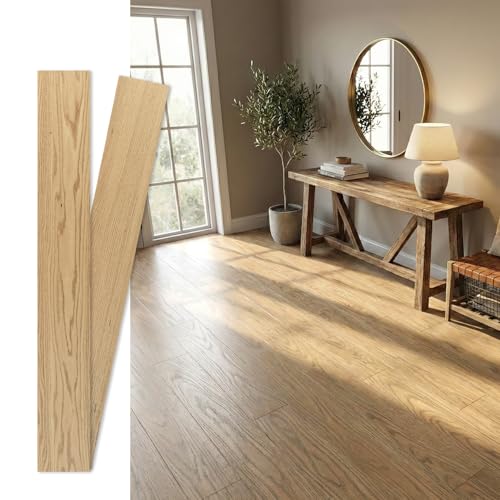
Features include tongue and groove construction, water resistance, and layered hardwood for strength. Best for homeowners seeking an authentic wood look with added moisture tolerance. Suitable for living rooms and dining areas where a natural appearance matters. Caution: water exposure should be promptly wiped up to maintain long-term performance.
SPC Click Lock Luxury Vinyl Flooring Plank, Walnut
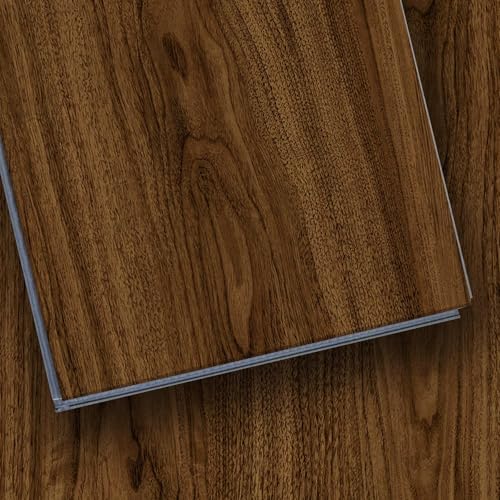
This plank flooring uses a 3.2mm SPC core with a waterproof profile and a 0.3mm wear layer. Best for busy households needing water resistance, pet-friendly living spaces, and easy maintenance. It includes built-in sound absorption via a lightweight underlay. Caution: although water-resistant, avoid prolonged standing water on seams to prevent potential edge lifting over time.
Art3d Peel and Stick Vinyl Floor Tiles, Brown Stone

Designed for quick DIY projects, these tiles offer authentic wood-like visuals with a rigid surface. Best for fast room refreshes or temporary installations without tools. They are 100% waterproof and require no glue. Caution: not engineered wood; may not have the same long-term wear as premium wood options in high-traffic areas.
Bare Decor EZ-Floor Teak Interlocking Tiles

Genuine teak with an oil finish and an EZ-Floor interlocking system allow tool-free installation. Best for indoor-outdoor spaces where a natural wood feel is desired. Caution: teak requires appropriate maintenance to preserve the oil finish in outdoor settings and may darken over time with exposure to sunlight.
Buying Guide: Key Considerations for Re Engineered Wood Flooring
Engineered wood and wood-like flooring offer varied advantages. This guide covers essential factors to help you compare options and align choices with your space and budget.
What is “re engineered wood flooring” and who should consider it?
Engineered wood flooring uses a top veneer of real wood bonded to multiple substrate layers. It can provide the authentic look of wood with improved stability in moisture-prone areas and under varying temperatures. Consider it if you want a real wood aesthetic with better resistance to humidity than solid hardwood.
How important is moisture resistance?
Moisture resistance matters for kitchens, bathrooms, basements, and homes with high humidity. Water-resistant engineered options or water-tight vinyl alternatives can prevent warping and extend life. If water exposure is likely, prioritize products with waterproof cores or quick-dry designs.
What installation method matters most?
Tongue-and-groove, click-lock, and peel-and-stick systems affect installation speed and permanence. Tongue-and-groove requires precision and sometimes professional installation, while click-lock and peel-and-stick options are often DIY-friendly and allow easier removal or replacement.
Durability considerations
Look at wear layers (on vinyl) or the thickness of the veneer (on engineered wood). A thicker wear layer or veneer generally indicates longer life in high-traffic spaces. For households with pets or kids, scratch resistance and easy cleanability become priority factors.
Maintenance and care
Engineered wood typically requires periodic cleaning with products designed for wood floors and occasional refinishing. Vinyl and tile options usually need milder cleaning and less frequent maintenance. Select products with easy-to-clean surfaces and compatible cleaners.
Budget and aesthetics
Engineered wood and wood-look options span a wide price range. Consider whether natural wood grain or a faux wood look better matches your decor. Aesthetic alignment with adjacent rooms can help maintain a cohesive interior style.
Safety and environmental considerations
Choose low-VOC options when possible. Formaldehyde-free claims and formaldehyde-free materials are preferable for households with children and pets. Review installation and maintenance instructions to minimize emissions during product use and installation.
FAQ
- What is the difference between engineered wood and solid wood flooring? Engineered wood uses a real wood veneer on top of multiple layers, offering greater moisture stability. Solid wood is a single piece of wood and can be more sensitive to changes in moisture and humidity.
- Is vinyl or laminate a good substitute for engineered wood? Yes, vinyl and laminate can mimic wood aesthetics and offer strong water resistance and lower maintenance, but they have different durability profiles and underlying materials.
- Can I install engineered wood floors myself? Many engineered wood products use tongue-and-groove or click-lock systems that are DIY-friendly, but some installations may benefit from professional assistance for best results.
- How long do engineered wood floors typically last? Longevity depends on veneer thickness, wear layer, installation, and maintenance, but many engineered floors are designed for decades with proper care.
- What maintenance should I perform regularly? Regular sweeping or vacuuming, occasional damp mopping with manufacturer-approved cleaners, and prompt water cleanup help preserve both engineered wood and wood-look flooring.
- Are there environmental or health concerns? Look for low-VOC formulations and formaldehyde-free products to minimize indoor air emissions and ensure safer use in homes with children and pets.