Introduction
Red oak transition strips help create seamless changes between flooring heights and types, delivering a polished look while protecting edges. This guide highlights five durable red oak options designed for American homes, focusing on solid wood construction, finish options, and easy installation. Whether you’re upgrading baseboards, installing new hardwood, or aligning adjacent rooms, these transition strips offer reliable performance and aesthetic appeal across common flooring setups.
| Product | Brand | Material | Common Use |
|---|---|---|---|
| 3/4″ High Solid Oak Overlap | Randall Manufacturing Co., Inc | Solid Red Oak | Height-difference reducer |
| Wonderjune Door Transition Strip | Wonderjune | Red Oak | Doorway threshold, interior transition |
| 2″ Wide Carpet/Transition Strip | Randall Manufacturing Co., Inc | Red Oak | Carpet edge to floor |
| 1.57″ Self-Adhesive Vinyl Strip | LSGCQ | Red Oak finish (vinyl with wood grain) | Gaps and boundaries across surfaces |
| 1 1/2″ Oak T-Molding | Randall Manufacturing Co., Inc | Solid Red Oak | Equal-height floor transitions |
Red Oak Overlap Transition ¾” High (Randall)
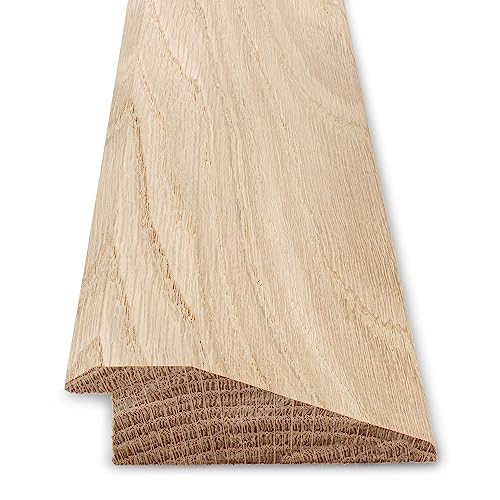
Solid Oak construction uses Northeastern red oak, selected for high-grade FAS1 or better. The 6-foot length and 3-1/2 inch width create a substantial transition piece between floors with a ¾ inch tall overlap edge to reduce height differences. The lip is 7/16 inch wide and 1/4 inch thick, providing a clean, low-profile profile. Finish it to match nearby trim or leave unfinished to highlight natural oak grain. This option is ideal for bridging a higher floor to a lower floor in living spaces, hallways, or entryways where a seamless, durable seam matters.
Wonderjune Red Oak Threshold Transition

This 36-inch interior threshold uses red oak for warmth and strength, providing a stable bridge between rooms or doorway approaches. The 36 x 5 x 0.63 inch footprint suits standard doorways and helps create a consistent look across transitions. Red oak’s durability supports heavy foot traffic while offering finish flexibility—stainable to closely match adjacent flooring or left natural for a rustic touch.
2″ Wide Floor Transition Strip – Vinyl With Wood Grain

Constructed from flexible PVC with a decorative wood-grain finish, this transition strip offers durability and a strong self-adhesive bond. It covers gaps and marks floor boundaries across various surfaces, including wood, tile, and laminate. The wide 2-inch profile helps conceal transitions without creating trip hazards, making it suitable for living rooms, kitchens, or high-traffic hallways. The quick-install, tape-backed design supports DIY projects and professional applications alike.
1.57″ Self-Adhesive Red Oak Floor Strip
This 1.57-inch wide vinyl transition strip offers a compact option for tighter doorways or where a slim profile is desired. It features a strong adhesive backing for easy installation on wood, tile, or laminate floors. Its red oak appearance provides a natural aesthetic that blends well with oak flooring and trim. The product is designed for quick, mess-free alignment of floor surfaces and is suitable for residential spaces with moderate foot traffic.
1 1/2″ Oak T-Molding (Randall)

Premium, solid Northeastern red oak forms this 1 1/2″ wide T-molding, designed for transitions between equal-height floors such as hardwood, laminate, or tile. Unfinished and ready for staining or sealing, it enables customization to match surrounding trim or flooring. Pre-drilled nail holes support straightforward installation and a professional finish, making it a versatile choice for living areas, bedrooms, and home offices.
Buying Guide
Key considerations when choosing a red oak transition strip include material quality, finish options, and installation method. Solid red oak offers durability and timeless beauty but may require staining to match existing floors. Unfinished options provide maximum customization, though they demand additional finishing steps. Pre-drilled holes and included nails or mounting hardware simplify DIY installation for both flat and beveled transitions.
Profile and width are important for blending with different floor heights and room layouts. Overlaps and reducer edges help manage height differences, while T-moldings are ideal for equal-height transitions. Self-adhesive vinyl strips provide quick fixes for gaps but may prioritize convenience over long-term durability in high-traffic areas. Consider room function, traffic levels, and future remodeling plans when selecting the best option.
Finish compatibility is also critical. Red oak accepts stains well, enabling color matching with surrounding floors. If you prefer a natural look, unfinished strips can showcase the oak grain, while pre-finished options offer immediate visual cohesion. Finally, consider maintenance: solid oak may require refinishing over time, whereas vinyl and wood-grain composites usually demand less upkeep.