The top picks here are aimed at RV owners who want dependable on-demand hot water, simple maintenance, and flexible power options. This guide highlights five notable RV water heaters, spanning tank-based and tankless designs, with clear notes on who each product is best for and why it was selected. Whether you camp off-grid, rely on generator power, or frequently travel with family, these choices cover common needs such as durability, ease of installation, and efficient heating.
Buyer focus:
– Best for budget-friendly, reliable tank heating with optional electric heat
– Best for easy maintenance and corrosion protection
– Best for higher hot-water demand with larger tank capacity
– Best for hybrid gas-electric operation with simple retrofit
– Best for compact, high-altitude readiness and tankless convenience
Product comparison snapshot
- Suburban SW6D 6-Gallon RV Water Heater — Direct Spark Ignition, 6 gal, reliable and durable
- Suburban SW6DE 6-Gallon RV Water Heater — DSI plus electric heat, compact versatility
- Suburban Advantage SW10DE 10-Gallon Tank Heater — Higher capacity, DSI, electric option
- KINGRVER 6 Gallon RV Tank Water Heater — Three-mode heating, gas/electric/hybrid
- ORBEK RV Tankless Water Heater — On-demand propane, 12V DC, compact
Suburban SW6D 6-Gallon RV Water Heater
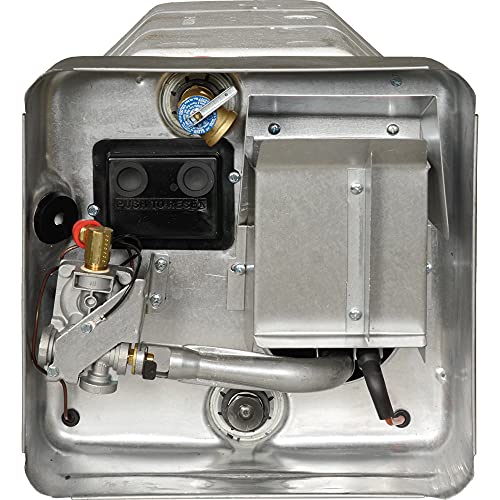
Features: porcelain-lined steel tank; replaceable anode rod doubles as drain; optional electric heating element for campsite or generator power. Best for: RV owners seeking a durable, compact 6-gallon tank with flexible power options. Limitation: gasoline or propane-only climate considerations may require electric element use to maximize efficiency in certain sites.
Suburban SW6DE 6-Gallon RV Water Heater
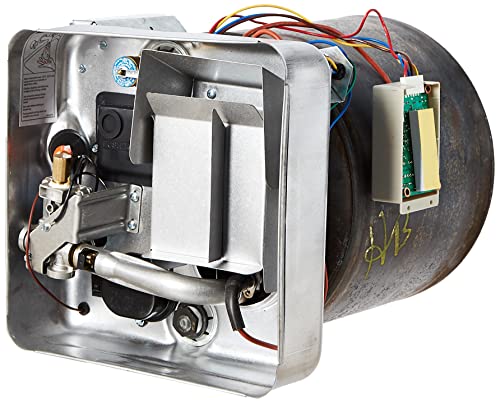
Features: porcelain-lined steel tank; replaceable anode rod with drain capability; optional electric element for versatile heating. Best for: RVers who want DSI and electric heating in a compact 6-gallon unit. Limitation: same as SW6D, limited tank size may require more frequent cycles for high-demand showers.
Suburban Advantage SW10DE 10-Gallon Tank Heater

Features: porcelain-lined steel tank; replaceable anode rod with drain function; optional electric element. Best for: RV households with higher hot-water demand or longer showers, needing extra capacity. Limitation: 10 gallons may still require longer recovery times in continuous hot-water use sessions.
KINGRVER 6 Gallon RV Tank Water Heater

Features: three heating modes (gas-only, electric-only, gas-electric hybrid); compatible with common 4–6 gallon RV heater cutouts; includes a quick installation guide and 24/7 support. Best for: DIY installers seeking flexible fuel options and tri-mode heating in a compact 6-gallon package. Limitation: requires space and cutout compatibility; installation depth must accommodate pipe connections.
ORBEK RV Tankless Water Heater
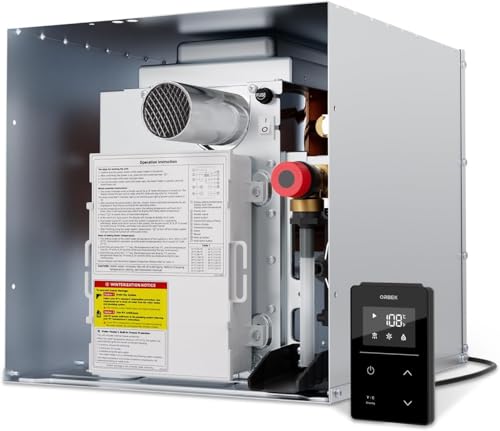
Features: continuous on-demand hot water with a 60,000 BTU propane burner; 15″ × 15″ to 18″ × 18″ openings; designed for standard RV cutouts; oxygen-free copper heat exchangers and brushless DC fans for altitude adaptability. Best for: RV families needing endless hot water without a storage tank and with propane efficiency. Limitation: tankless design may require precise installation and venting considerations.
RVPart Pro RV Tankless Water Heater

Features: 60,000 BTU heat output; on-demand heating; high-altitude capability; built-in 150 PSI pressure reducing valve; microcomputer panel for temperature control and fault codes. Best for: users seeking precise temperature control, diagnostic feedback, and compact on-demand heating. Limitation: installation and wiring complexity may be higher for first-time setups.
Dometic 95001SP WH-10GEA 10-Gallon Water Heater

Features: 10 BTU gas input, 1400W heating element, lightweight aluminum tank. Best for: RV owners who want a balance of gas and electric heating with a lighter tank, suitable for moderate hot-water needs. Limitation: aluminum tank may alter corrosion considerations compared with porcelain-lined steel options.
Dometic WH-6GEA RV Gas & Electric Water Heater
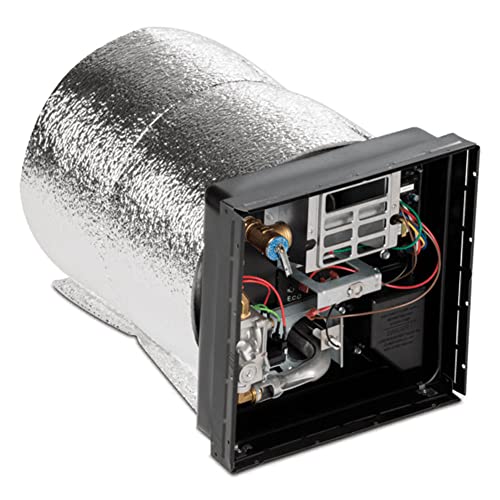
Features: quick heating burner system; electric heating element for extra input; aluminum tank design minimizes maintenance. Best for: RVers who want fast recovery times and low-maintenance operation with dual fuel options. Limitation: aluminum tanks may require different corrosion considerations over time compared to porcelain-lined steel tanks.
Buying Guide: Key Considerations For RV Water Heaters
- Tank vs. tankless: Choose a tank model for simple supply and predictable recovery, or a tankless model for endless hot water without storage.
- Capacity and recovery: Higher gallon capacity suits larger households or longer showers; consider recovery time under peak demand.
- Power options: Look for gas, electric, or hybrid heating. Electric elements require shore power or generators; gas models work off propane.
- Durability: Porcelain-lined steel tanks and replaceable anodes extend life; aluminum tanks reduce weight but vary in corrosion resistance.
- Installation space: Check cutout dimensions, available depth, and ducting or venting requirements for gas models.
- Altitude compatibility: Some models are designed to perform better at higher elevations; verify suitability if you travel or camp at altitude.
Frequently Asked Questions
- What size RV water heater should I choose?
– For small RVs or couples, 6-gallon or 10-gallon tanks are common; for families or longer showers, a 10-gallon or tankless option may be better. - Do I need both gas and electric heating?
– Gas heating is effective off-grid; electric heating adds convenience at campsites with power. Hybrid options provide flexibility. - Are tankless RV heaters energy-efficient?
– Yes, they heat water on demand, avoiding standby heat loss, but installation can be more complex and require proper venting. - Which material lasts longer, porcelain-lined steel or aluminum tanks?
– Porcelain-lined steel tends to resist corrosion longer with proper anode protection; aluminum tanks are lighter and low-maintenance but may have different longevity profiles. - Can I upgrade my RV heater easily?
– Many units are designed for standard cutouts and provide installation guides; check compatibility with your RV’s existing system and space. - What maintenance is needed?
– For tank heaters, inspect and replace anode rods as part of routine maintenance; tankless units may require periodic venting and cleaning per manufacturer guidance.