Finding the right pool deck paint involves balance: durability for foot traffic, resistance to water and chemicals, slip resistance, and heat management. Below is a curated guide to five top options that cover epoxy, waterborne acrylics, and heat-reducing coatings. Each product is evaluated for surface compatibility, coverage, and installation considerations to help you choose confidently for plaster, fiberglass, steel, or aluminum pools.
| Product | Brand | Typical Coverage | Surface Suitability |
|---|---|---|---|
| Olympic Pool Paint – Zeron – White | Kelley Technical Coatings | 125 – 150 sq ft per gallon | Plaster, fiberglass, steel, aluminum |
| Cool Decking Pool Deck Paint | Encore Coatings | Up to 150 sq ft per gallon per coat | Concrete and decks |
| INSL-X Waterborne Royal Blue | INSL-X | Noted per gallon specs | Fresh or saltwater pools |
| Olympic Pool Paint – Zeron – Bikini Blue | Kelley Technical Coatings | 125 – 150 sq ft per gallon | Plaster, fiberglass, steel, aluminum |
| Pool Paint Ocean Blue 211oz | REHOUPTY | ~270 sq ft per 6 kg package | Concrete, plaster, masonry, metal |
Olympic Zeron White Pool Paint

Product overview: This two-part epoxy coating is designed for plaster, fiberglass, steel, and aluminum pools. The system includes a base gallon and a catalyst quart; the final volume is one gallon once mixed. It’s formulated for a one-coat finish under proper surface prep. Coverage typically falls in the 125–150 square feet per gallon range, making it suitable for standard residential pools. Adequate mixing and timely use are important to prevent premature hardening. Surface compatibility and proper ventilation are key during application. This epoxy option emphasizes durability and chemical resistance, making it a solid choice for high-traffic pools that see regular chemical exposure.
Cool Decking Pool Deck Paint
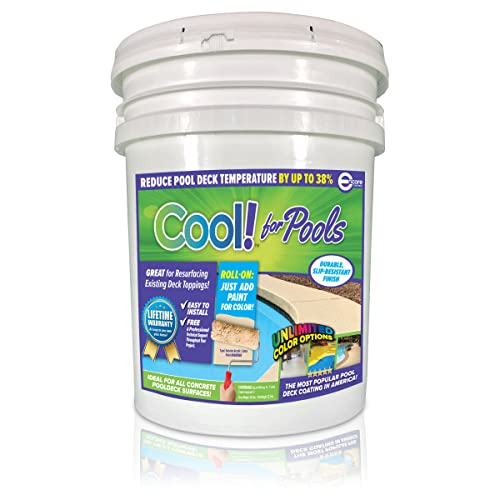
Product overview: A deck coating formulated for concrete and pool surrounds that aims to cool surface temperatures and reduce heat absorption. The product claims to lower surface heat by up to 38% compared with untreated concrete, providing a more comfortable experience around the pool. It also emphasizes slip resistance and ADA-safety compliance for wet conditions. The package notes the coating’s ability to seal and refresh concrete, with a finish that contributes to cooler feet and more enjoyable poolside use. This option is well-suited for hot climates or households seeking a cooler pool deck with safety in mind.
INSL-X Waterborne Royal Blue Pool Paint
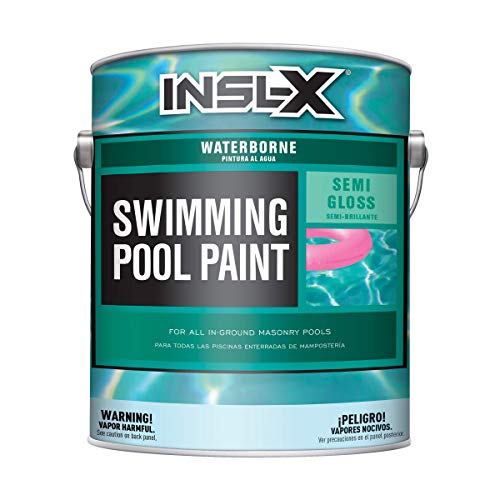
Product overview: This royal blue waterborne acrylic pool paint is designed for fresh or saltwater pools and dries quickly. Being waterborne, it offers relatively easy cleanup and lower odor during application. It’s suitable for a variety of pool surfaces, making it a flexible option for DIY pool projects. The rapid drying time enables faster turnaround, though surface prep and curing requirements should be followed to ensure proper adhesion and durability.
INSL-X Ocean Blue Pool Paint
Product overview: Ocean Blue is a waterborne acrylic pool paint suitable for use in fresh or saltwater environments. It’s designed for quick drying and ease of application, making it a practical option for homeowners seeking a bright blue finish with straightforward maintenance. As with all waterborne paints, proper curing time and pool surface preparation help ensure optimal adhesion and longevity in pool environments.
Pool Paint Ocean Blue 211oz by REHOUPTY

Product overview: This ocean-blue pool paint by REHOUPTY is a water-based acrylic resin coating designed for concrete pools, plaster, masonry, and some metal surfaces. It emphasizes high durability, resistance to long-term immersion, and ease of application with no specialized tools required. Coverage can reach approximately 270 square feet per 6 kg package, making it a value-conscious option for larger pool decks or multiple sections. It’s positioned as a versatile choice for both new builds and renovations on various pool substrates.
Buying Guide: Key Purchase Considerations
When selecting pool deck paint, consider surface type, environment, and maintenance expectations. Here are essential factors from multiple perspectives to help you compare options:
- Surface compatibility: Check whether the paint is formulated for plaster, fiberglass, steel, aluminum, concrete, or masonry. Some products are universal while others are substrate-specific.
- Finish and slip resistance: For pool decks, a non-slip or skid-resistant finish reduces accident risk. Some coatings also include ADA-compliant textures or aggregate finishes.
- Heat management: In sunny climates, heat-reflective or cooling deck coatings can improve comfort. Look for claims about lower surface temperatures and infrared reflectivity.
- Water resistance and immersion durability: Pool environments involve constant humidity and chemical exposure. Epoxies offer high chemical resistance, while waterborne acrylics provide easier application and cleanup but may require more maintenance.
- Abrasion and UV durability: Deck surfaces endure foot traffic and sun exposure. Choose products with good abrasion resistance and UV stability for color retention.
- Application and cure time: Consider dry times between coats, curing durations, and whether multiple coats are required. Quick-dry formulas can shorten project timelines but may demand precise conditions.
- Maintenance and cleaning: Some coatings are easier to clean and resist algae or staining, while others may need periodic re-coating to maintain aesthetics and protection.
- Color and aesthetics: Blue tones are common for pools; color choices can affect perceived depth and water clarity. Light colors may reflect heat better but show stains more readily.
- Health and safety: Ensure proper ventilation during application, use of protective gear, and adherence to manufacturer safety data. Some older formulations may contain solvents or require curing periods before pool use.
- Cost per square foot: Compare coverage rates and total project cost, factoring in necessary coats, surface prep, and potential maintenance costs over time.
In sum, the best option depends on your pool surface, climate, and how you plan to use the deck. Epoxy-based options offer durability and chemical resistance for high-traffic pools, while waterborne acrylics provide easier application and cleanup with adequate protection. Heat-reducing decks can dramatically improve comfort in hot climates, albeit sometimes at a higher upfront cost. Always follow surface preparation steps recommended by the manufacturer for optimal adhesion and longevity.