Finding the right tongue and groove floor boards depends on your space, budget, and installation plans. This guide highlights five top options suited for American homes, from solid cedar and pine to engineered hardwood. Each selection is chosen for durability, ease of installation, and aesthetic appeal. Best for budget-friendly projects, premium interiors, walls, or mixed-use spaces, these picks help you achieve a seamless, professional look whether you’re a DIYer or hiring a contractor. The table below provides quick comparisons to help you decide faster.
| Product | Best For | Material Type | Notes |
|---|---|---|---|
| Kimberly Bay Prestige Pine Boards | Budget projects | Solid Pine | Finish-ready with V-groove |
| Baoyeewood Teak Wall Panels | High-end interiors | Engineering Teak | Precision milled, seamless fit |
| Baoyeewood Hickory Panels | Warm accent walls | Hickory Engineering | Natural oil finish |
| Jeedeson Engineered Hardwood Flooring | Moisture resistance | Engineered hardwood | Tongue and groove, water resistant |
| Bingaai Cedar Tongue & Groove Panels (12mm) | Sauna or bathroom projects | Western Red Cedar | Thicker profile for durability |
Kimberly Bay Prestige Smooth Pine Tongue & Groove Boards
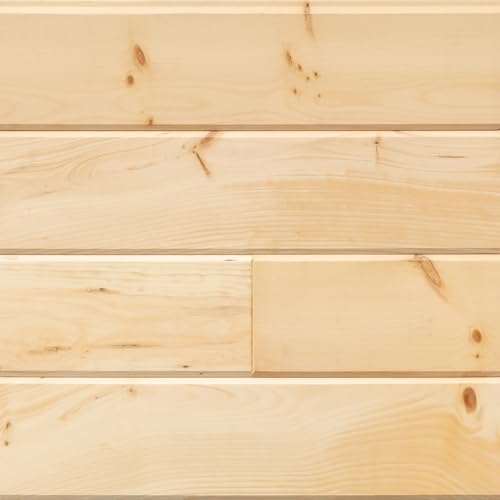
Product: Prestige Smooth Finish Pine Tongue & Groove Boards Clear (8-Piece)
Best for: Budget-friendly floor and wall projects where a clean pine look is desired. Ideal for DIYers that want a ready-to-finish surface with a consistent T&G fit.
Why selected: These boards are finished and interlock with a tongue-and-groove system, featuring a V-groove for a seamless, planked appearance. The end-matched design supports easier alignment and installation, making it a solid pick for basic to mid-level projects.
Limitations: Pine can show resin pockets or knots in some boards; plan for general sanding or filler as needed to maintain a uniform surface.
Baoyeewood Teak Wall Panels And Flooring Tongue & Groove

Product: Teak Wood wall Panels and Flooring Tongue & Groove Knot-Free Oil Finished Engineering Wall Panels Planks and Flooring for Home Decor Select Grade 8 pcs 10 sq ft
Best for: Modern, high-end interiors where a knot-free teak look is desired on walls or floors. Suitable for DIY installations with precise tolerances.
Why selected: Teak engineered panels offer a clean, uniform appearance with a tight tongue-and-groove fit that supports a professional finish and long-lasting stability.
Limitations: Teak can be more expensive and may require specific finishes or care to maintain its natural oils over time.
Baoyeewood Hickory Panels For Floors And Walls

Product: Hickory Wood Wall Panels and Flooring 0.5″ x 5″ x 72″ Tongue & Groove Natural Oil Finished Engineering Wood Planks
Best for: Spaces wanting a rustic yet refined feel with durable, oil-finished hardwood panels for walls or flooring.
Why selected: The tongue-and-groove system delivers tight seams and uniform edges for smooth installs, with a natural oil finish that highlights grain while offering upkeep convenience.
Limitations: Hickory’s grain can be bold; matches are best in rooms with complementary furniture and decor to balance the look.
Jeedeson Multi-Ply Engineered Hardwood Flooring

Product: Jeedeson Multi-Ply Engineered Hardwood Flooring, 47.64″ L x 6.5″ W x 0.59″ T, Tongue & Groove Waterproof Smooth Wood Floor
Best for: Areas prone to moisture or fluctuating humidity where wood flooring is desired but raw solid wood may be too sensitive.
Why selected: Engineered with multiple layers and a tongue-and-groove system, this option aims to deliver durability and a tight seam for a polished look.
Limitations: Data notes about water resistance; ensure proper underlayment and installation practices to maximize performance in damp environments.
Bingaai Cedar Tongue & Groove Panels 12mm
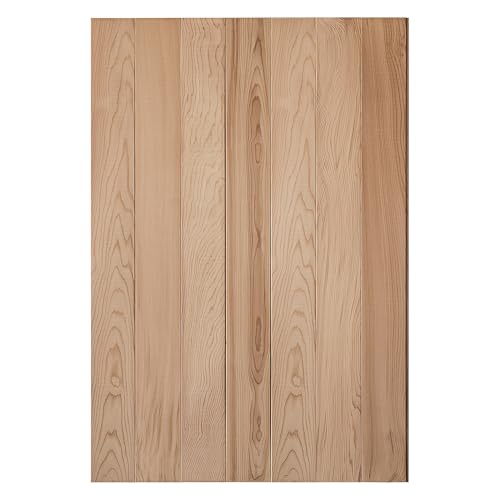
Product: Cedar Tongue and Groove Wall Panels – ½” Thick (12mm) Western Red Cedar Wood Planks
Best for: Saunas, bathrooms, or accent walls where thicker boards offer better moisture tolerance and a solid feel.
Why selected: The 12mm thickness provides improved resistance to warping, with tongue-and-groove joints designed for flush installation and reliable fastening.
Limitations: Cedar may require periodic oiling or sealing to maintain color and wood health over time.
Buying Guide: Tongue & Groove Floor Boards
Key considerations when choosing tongue and groove boards include material type, environmental conditions, installation method, and maintenance needs. Use these questions to compare options:
- What space will you cover—walls, ceilings, or floors—and what level of moisture exposure should the boards withstand?
- Do you want a solid wood look or an engineered alternative for added stability in moisture-prone areas?
- Is a thicker board important for durability in humidity-heavy rooms like bathrooms or saunas?
- What finish or oil treatment best matches your decor and climate?
- Are pre-finished boards preferred for quicker installation, or will you finish the surface yourself for a custom look?
Material notes: Solid pine offers affordability and ease of finishing but may show knots. Teak and cedar provide natural oils for moisture resistance and distinctive aesthetics but can be pricier. Engineered hardwood balances real-wood feel with dimensional stability, especially in variable climates. Thickness and tongue-and-groove quality influence installation ease and seam tightness.
Installation tips: Ensure clean, dry substrates; acclimate wood to room conditions; use appropriate fasteners for the chosen material; and follow sealant or oil care guidelines to preserve color and resilience over time.
Frequently Asked Questions
- What is tongue and groove flooring best used for?
It is ideal for floors, walls, and ceilings where a tight seam and seamless appearance are desired, with easy alignment during installation.
- Which material resists moisture best?
Teak and cedar naturally resist moisture, while engineered hardwood offers enhanced stability in damp environments compared with solid wood.
- Are thicker boards better?
Thicker boards are generally more resistant to warping and offer a robust feel, especially in humid spaces.
- Should I choose solid wood or engineered for walls?
Engineered options often provide greater dimensional stability for walls and high-traffic zones, while solid wood offers authentic grain and finish potential for interiors with controlled humidity.
- How important is the finish when buying tongue and groove boards?
A finish determines maintenance needs, appearance, and the ease of achieving a uniform surface across boards. Pre-finished boards save time; unfinished boards allow custom staining.