If you’re seeking reliable filtration that reduces contaminants and minimizes water waste, a modern reverse osmosis (RO) or ultrafiltration system can help. This guide reviews five well-regarded options and highlights key differences such as filtration stages, mineral remineralization, tankless designs, and installation style. The selections below balance performance, ease of use, and value for American households.
Summary of Selected Products
| Product | Brand | Type | Key Benefit |
|---|---|---|---|
| RCC7AK | iSpring | 6-Stage RO with remineralization | Alkaline pH remineralization and top-mounted faucet |
| RO100ROPOT-UV | Bluevua | Countertop RO with UV | 6-stage filtration, UV disinfection, portability |
| 10UA | Waterdrop | Under-sink RO | NSF/ANSI 42/58 with compact install and built-in ease |
| G3P600 | Waterdrop | Tankless RO system | Smart LED faucet and multiple certifications |
| G2 | Waterdrop | Tankless RO with 7-stage filtration | High flow, 1:1 drain ratio, USA-ready tech |
Note: Each product emphasizes contaminant reduction, mineral balance, water waste considerations, and ease of installation. Review installation requirements and warranty terms to ensure compatibility with your home in the United States.
iSpring RCC7AK 6-Stage RO With Mineral AK

The iSpring RCC7AK combines a six-stage reverse osmosis process with a mineral AK stage that remineralizes water to a balanced pH and adds essential minerals. A transparent first-stage housing lets homeowners monitor sediment buildup, which can prompt timely filter changes. Its patented top-mounted design enables easy above-sink installation, reducing the need to access beneath the cabinet. This configuration supports a typical household’s daily filtered water needs while prioritizing mineral content in the final product. The system is NSF-certified and designed for under-sink installation, delivering consistent purification with a user-friendly faucet setup.
Bluevua RO100ROPOT-UV Countertop RO System
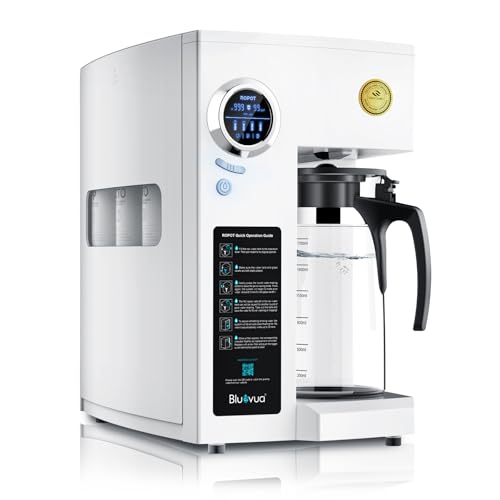
Bluevua’s RO100ROPOT-UV is a portable, countertop solution featuring a 6-stage filtration stack, a 0.0001 μm RO membrane, UV disinfection, and remineralization. It is designed for households that want a compact unit without permanent plumbing changes. Certification by SGS and lead-free compliance (NSF/ANSI/CAN 372) underscore safety and quality. A unique glass carafe option reduces plastic exposure while the unit supports a 2:1 pure-to-drain ratio, helping conserve water. The system’s portability makes it suitable for apartments, offices, or homes where a traditional under-sink install isn’t feasible.
Waterdrop 10UA Under Sink RO System

The Waterdrop 10UA emphasizes compact under-sink installation with a user-friendly twist-and-lock design and push-to-connect fittings. It reduces TDS and improves taste through its 6-stage filtration, with ongoing cost-savings from replacement filters noted. The system connects via standard cold-water plumbing and includes support for mid-stream maintenance. Waterdrop backs the unit with prorated service and emphasizes compatibility with typical US 3/8″ supply lines. This model is a practical balance of performance and straightforward DIY installation for many homes.
Waterdrop G3P600 Tankless RO System

The Waterdrop G3P600 is a tankless RO system with 8-stage filtration and a tankless design that eliminates the need for a storage tank. It carries multiple certifications (NSF/ANSI 58, 372, 42) and includes a smart LED faucet that displays water quality and filter life. The system also emphasizes compact footprint and compliance with EU/UK safety standards. Its 2:1 pure-to-drain ratio optimizes water usage and reduces waste compared with traditional RO setups, delivering purified water quickly and efficiently for households that prioritize modern technology and real-time status indicators.
Waterdrop G2 7-Stage Tankless RO System

The Waterdrop G2 offers a 7-stage filtration process with a 400 GPD flow rate in a tankless design, ensuring a compact footprint and minimal wait time for filtered water. It is NSF/ANSI 372 lead-free certified and NSF/ANSI 58-compliant for TDS reduction, alongside a 1:1 low-drain ratio that minimizes wastewater. This system’s tankless approach aligns with modern kitchens, providing rapid purification while preserving minerals and enabling straightforward installation with standard plumbing fittings. It aims to balance high performance with user-friendly operation and maintenance.
Buying Guide: Key Purchase Considerations
- Filtration Stages and Contaminant Reduction: Look for multi-stage RO or ultrafiltration that targets common contaminants such as chlorine, lead, PFAS, arsenic, fluoride, and dissolved solids. 6- to 8-stage systems typically offer deeper purification and mineral adjustment options.
- Remineralization and Mineral Balance: If taste and health are priorities, consider systems with remineralization stages that restore beneficial minerals and adjust pH to near-neutral levels. This can improve flavor and perceived health benefits.
- Tank vs. Tankless: Tankless RO systems save space and reduce storage maintenance, while traditional tank-based designs may offer simpler installation in some setups. Tankless models often include smart faucets with status indicators.
- Drain Ratio and Water Waste: Lower drain-to-pure ratios reduce water waste. Some models offer 1:1 or improved ratios with enhanced water efficiency; this is helpful in areas with water scarcity or high usage.
- Certification and Safety: Verify certifications such as NSF/ANSI—these indicate material safety and contaminant reduction claims. For countertop units, ensure stability and spill-prevention features if you choose portable options.
- Installation and Plumbing Compatibility: Check the available supply lines (3/8″ or 1/2″ fittings), space under the sink, and whether you prefer a countertop or under-sink setup. Top-mounted faucets or smart faucets provide convenience and status indicators.
- Maintenance and Replacement Costs: Review the price and availability of replacement filters, the expected filter life, and whether prorated service is available. Long-term affordability should factor into your decision.
- Electrical Requirements: Some advanced units (especially those with UV or auto-flush features) require electrical connections. Confirm your locale’s wiring compatibility and safety considerations for under-sink installations.
- The Right Fit for Your Water Source: Municipal tap water and well water have different impurity profiles. Select a system that addresses the primary contaminants in your area, and consider testing your water for a baseline before purchasing.