Choosing a reliable water sediment filter system helps protect plumbing, appliances, and every faucet in your home. The following five options offer multi-stage filtration, solid flow, and easy DIY or professional installation. Each product targets sediment, chlorine taste and odor, and VOCs while supporting long-term maintenance. Use this guide to compare performance, compatibility, and replacement needs for a healthier, clearer water supply.
| Product | Brand | Key Benefit |
|---|---|---|
| iSpring WGB21B 2-Stage System | iSpring | |
| Culligan WH-S200-C | Culligan | |
| Waterdrop WD-WHF21-PG | Waterdrop | |
| HQUA WF3-01 | HQUA | |
| iSpring WGB32BM | iSpring |
iSpring WGB21B 2-Stage Whole House Filtration
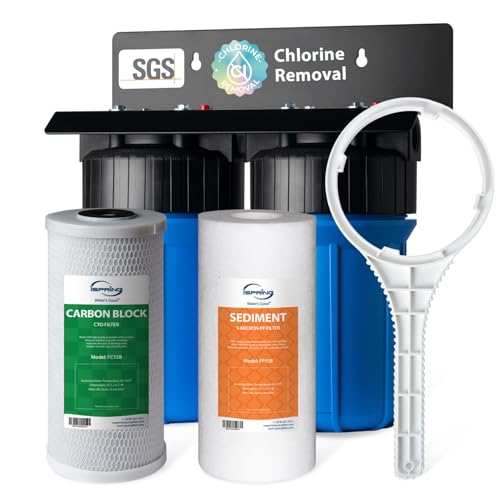
The iSpring WGB21B combines a first-stage premium 5-micron sediment filter with a second-stage CTO filter to reduce chlorine, taste, and odor. The 1″ inlet/outlet design supports solid flow with minimal pressure loss. This system is designed for full-house coverage, helping protect plumbing and appliances from sediment and scale while improving overall water quality across all fixtures.
Key features include a pre-assembled mounting setup for straightforward DIY installation, a filter wrench for changes, and a pressure release valve to ease maintenance. The system claims substantial capacity—up to a full year for a family of four—when paired with proper filter changes. This unit is suitable for standard US residential water supplies and aims to balance performance with ease of use.
Culligan WH-S200-C Whole-House Sediment System

This Culligan model focuses on sediment reduction with a bypass shut-off feature for easy cartridge changes and a filter life timer. It includes a P5 cartridge, a mounting bracket, and a housing wrench, delivering a straightforward setup for homes needing protection against dirt, sand, and silt. The system is designed to shield pipes and appliances from sediment buildup, supporting a longer life for plumbing components and fixtures.
Installation emphasizes versatility, including stainless steel reinforced 3/4″ inlet/outlet connections and a robust housing. By filtering at the point of entry, it helps minimize sediment-related issues across the household, from kitchens to laundry rooms, aligning with Culligan’s emphasis on durable, residential-grade filtration.
Waterdrop WHF21-PG 5-Stage Whole House System

Waterdrop’s 5-stage filtration uses a combination of sediment and activated carbon to reduce large particles, chlorine, lead, and odors. The GAC component is sourced from natural coconut shell, contributing to improved taste and overall water quality. The system emphasizes a durable housing and long filter life, with suggested replacement timelines designed to balance maintenance costs with performance.
With a focus on stable flow and high resistance to water hammer, this model is positioned for steady household use. It aims to maintain consistent pressure while delivering cleaner water across all outlets, including appliances and fixtures that benefit from lower sediment and contaminant levels.
HQUA WF3-01 3-Stage Filter System

The HQUA WF3-01 employs a three-stage approach to reduce heavy metals, chloramine, sediment, odor, and volatile organic compounds. The first stage focuses on sediment removal, while the carbon block and GAC elements target taste and odor issues and chemical contaminants. The system is described as a flexible setup that can be mounted on a wall or placed as a free-standing unit, with 20-inch by 5.5-inch filters supporting substantial capacity.
Designed for homes needing comprehensive contaminant reduction, this model emphasizes safety, compatibility with multiple filter cartridges, and a robust overall filtration profile that addresses taste, odor, and chemical exposure in supply water.
iSpring WGB32BM 3-Stage Iron-Targeted System

This iSpring model includes a three-stage filtration sequence designed to address iron and manganese alongside sediment and taste/odor concerns. The third stage uses an iron-specific filter, expanding filtration capacity for iron-rich water. The 1″ NPT inlet/outlet and 20″ x 4.5″ cartridges maintain a balance between flow and filtration, with NSF/ANSI-tested components that support a long-term household filtration strategy.
Installation is positioned as DIY-friendly, and the system claims compatibility with standard US plumbing. Its multi-stage approach aims to reduce iron-related staining and sediment while preserving low-sediment, clean water across the home’s water supply.
Buying Guide: Key Purchase Considerations
- Filtration stages and micron ratings: More stages typically improve sediment removal and chemical reduction, but evaluate whether you need 3-stage or 5-stage systems based on your water test results. A 5-micron or finer sediment stage helps protect appliances and pipes from grit.
- Contaminant targets: Identify your primary concerns (sediment, chlorine taste and odor, heavy metals, lead, VOCs). Choose systems with appropriate filter media (sediment, CTO, GAC, KDF, etc.) to address those concerns.
- Flow rate and pressure loss: Ensure the unit’s inlet/outlet size supports your household water demand. Larger housings often handle higher flow but may require more space and robust fittings.
- Bypass valve and serviceability: A bypass valve simplifies filter changes and maintenance without shutting off water to the entire home. Look for pre-assembled mounting and clear, accessible filter-change procedures.
- Cartridge life and replacement cost: Consider how often filters need replacement (e.g., every 3–6 months for PP and GAC stages). Factor replacement costs into total cost of ownership over time.
- Installation and space: Assess whether you’ll do installation yourself or hire a plumber. Ensure adequate space near the main water line and appropriate mounting options for the housing.
- Certifications and compatibility: NSF/ANSI certifications indicate independent testing standards. Verify materials are safe for drinking water and compatible with your plumbing.
- Water quality goals: If your water has known contaminants (iron, heavy metals, chloramines), prioritize systems with corresponding media (FM media, KDF, GAC) and documented performance under real-world conditions.
- Maintenance plan: Build a schedule around filter change intervals and testing to maintain filtration effectiveness and water quality.