Choosing the right well system pressure tank is essential for consistent water pressure, pump longevity, and overall system efficiency. This guide highlights five top options, balancing material quality, diaphragm or liner design, and compatibility with common well pumps. Each product below includes key features to help American homeowners compare performance, durability, and installation needs.
Summary of selected products
| Product | Type | Capacity | Key Feature | Brand |
|---|---|---|---|---|
| WaterWorker HT-30B Vertical Tank | Vertical Diaphragm | 30 gal (26 gal usable) | Water Worker | |
| Amtrol WX-202 Well Pressure Tank | Steel Shell, Diaphragm | 20 gal | Amtrol | |
| Red Lion RL44A 44-Gallon Tank | Vertical Pre-Charged | 44 gal | Red Lion | |
| Amtrol WX-203 Well-X-Trol | Stand/Mount Diaphragm | 20 gal | Amtrol | |
| Amtrol WX-202D | Composite/Diaphragm | 20 gal | Amtrol |
WaterWorker HT-30B Vertical Pressure Tank

The WaterWorker HT-30B is a vertical pressure tank designed to meet NSF standards under ANSI/NSF Std 61, emphasizing safety and reliability for drinking water systems. Its butyl diaphragm is formed to flex rather than crease, aiming to resist fatigue under cycling. The internal polypropylene liner is resistant to flaking, chipping, or imparting taste or odor to water, ensuring a clean, neutral water experience. With a 30-gallon nominal size and a 26-gallon usable capacity, this tank provides a balanced option for households needing sufficient drawdown without excessive storage. The tank’s construction supports long service life and predictable pressure delivery for typical residential wells.
Key considerations: The NSF listing adds confidence for potable-water use, while the diaphragm design helps maintain consistent pressure. Installation should follow local codes, and service intervals should include venting and diaphragm checks. Target users include homes with moderate water usage and existing well pumps seeking steady pressure with durable internal materials.
Amtrol WX-202 Well Pressure Tank
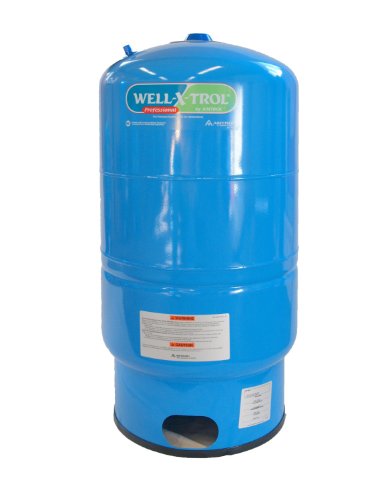
The Amtrol WX-202 offers a robust steel shell paired with a virgin polypropylene inner liner that resists cracking, flaking, or peeling, preserving water quality and tank integrity. A notable feature is the unique positive hoop ring seal that secures the diaphragm and liner, contributing to long-term reliability under cyclic pressure. This 20-gallon model is popular for compact well systems and is valued for its durable construction and dependable performance in maintaining steady pressure while the pump cycles on and off. It’s well suited for homes that require a compact, sturdy solution without sacrificing durability.
Key considerations: The combination of a steel shell and a polypropylene liner supports resilience against pressure variations and mineral buildup. Verify compatibility with your pump’s flow rate and local water characteristics. Regular inspection of the seal and diaphragms can extend service life in demanding households.
Red Lion RL44A – 44-Gallon Vertical Tank

The Red Lion RL44A is a larger capacity vertical pre-charged tank designed to sustain pressure when the well pump is off. It carries NSF/ANSI/CAN 61 and 372 certifications, ensuring safe, potable water compatibility. Built with a heavy-duty 20-gauge steel tank and 304 stainless steel water connections, the RL44A features a high-performance butyl rubber diaphragm and a polypropylene liner. It ships pre-charged to 20 PSI, with the caveat that the air pressure should be topped to two PSI below the pressure switch cut-in setting for optimal performance. This model is ideal for households requiring higher storage to buffer longer pump cycles or larger loads.
Key considerations: Higher capacity reduces pump cycling but requires adequate space and proper system matching. Ensure the unit’s connection size and base clearance fit your installation area, and monitor diaphragm performance for long-term reliability in varying water conditions.
Amtrol WX-203 Well-X-Trol Stand Well Tank

The Amtrol WX-203 Well-X-Trol stands out for its strong steel shell and virgin polypropylene inner liner, designed to withstand aggressive water environments without compromising structural integrity. The unit is tailored for stand-alone or under-sink setups, with a robust system connection that copes with challenging water conditions. This 20-gallon tank is well-suited for households seeking a dependable, space-efficient option that can manage frequent cycling without liners cracking or flaking. The wear-resistant liner and durable outer shell contribute to a long service life in typical residential wells.
Key considerations: Evaluate how this tank’s diaphragm and liner respond to mineral content and pH in your water supply. Regular checks for leaks around the connection points and diaphragm integrity will help ensure continued pressure stability.
Amtrol WX-202D Pressure Tank With Composite Base
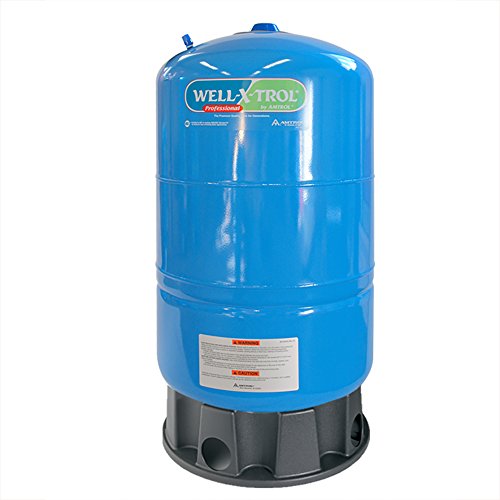
The WX-202D unit emphasizes durability and space efficiency with a composite base design, combining a steel shell with a strong internal diaphragm. This model is rated for 150 psig working pressure, which provides a generous margin for larger homes or systems with higher pressure requirements. Its 20-gallon capacity offers a balance between storage and footprint, making it a practical choice for many residential installations. The blue appliance-like finish aids in easy identification and installation practicality, complementing typical utility spaces.
Key considerations: Check your pump’s cut-in/cut-out settings to align with the tank’s pre-charge and operating pressure. The composite base design should be evaluated for stability on the floor surface, and confirm compatibility with your plumbing layout and local codes.
Buying Guide: What To Consider When Choosing a Well-Pressure Tank
- Tank type and liner: Diaphragm vs bladder vs composite. Diaphragm systems minimize water contact with the tank material and are common in larger capacities, while bladder designs can be effective in reducing water contact with internal components. Liner quality (polypropylene, stainless, etc.) affects water taste and long-term durability.
- Capacity and pump compatibility: Choose a tank size that matches your household water usage and well pump capacity. Larger tanks reduce cycling but require more space and proper space planning.
- Pre-charge and pressure settings: Most tanks ship pre-charged (often around 20-38 psi). Align pre-charge with your pressure switch settings to maintain stable pressure and avoid short cycling.
- Materials and certifications: NSF/ANSI/CAN 61 certification is important for potable water safety. Steel shells, high-quality diaphragms, and corrosion-resistant liners contribute to longer life in tough water conditions.
- Installation considerations: Pay attention to base stability, space for maintenance, and the availability of appropriate connections (1″ NPT or similar). Some tanks come with stand-ready configurations for easy installation.
- Maintenance needs: Inspect diaphragms, liners, and seals periodically. Look for signs of leaks, corrosion, or loss of pressure and plan for diaphragm replacement if recommended by the manufacturer.
- System integration: Consider how the tank integrates with the existing well pump, pressure switch, and plumbing layout. A mismatch can lead to inefficient pressure delivery or excessive pump cycling.
- Cost of ownership: While larger or more advanced tanks may have higher upfront costs, they can offer improved efficiency and longer service life, potentially reducing maintenance and replacement costs over time.
In summary, the best well system pressure tank for your home depends on your water usage, space, and system characteristics. The WaterWorker HT-30B provides a balanced option with NSF-listed materials. Amtrol WX-202 and WX-203 offer durable, reliable designs with strong liners and seals. For higher capacity needs, Red Lion RL44A adds ample storage with tested certifications. Finally, Amtrol WX-202D combines a compact footprint with a robust 150 psig rating, suitable for varied installations. When selecting, prioritize diaphragm/liner quality, certification, and compatibility with your pump and plumbing.