Answering the question, these wireless septic tank alarm systems provide real-time alerts, remote monitoring, and reliable shutoffs to prevent overflows and flooding. They are best suited for homeowners seeking remote visibility, quick action tools for basements or sump pits, and systems that work indoors or outdoors. The top picks balance WiFi connectivity, audible/visual alerts, and independent alarm circuits to reduce failure risk. Below is a quick table of the chosen products for fast comparison.
| Product | Brand | Key Benefit | Best For |
|---|---|---|---|
| Smart WiFi Sump Pump Alarm | briidea | Real-time monitoring with app alerts | Homeowners wanting remote control |
| Upgraded Septic Control Panel with Septic Alarm | CINVEI | Independent circuit with pump control | Systems needing separate alarm/pump control |
| MISDUOCOCO WiFi Sump Pump Alarm | MISDUOCOCO | Smart outlet control for automatic drainage | Hands-free water management |
| SJE Rhombus Tank Alert XT | SJE Rhombus | Indoor/outdoor reliability with auto reset | Durable, weather-exposed installations |
| JDMSPEED Sump Pump High Water Alarm | JDMSPEED | Independent pump and alarm circuits | Flood-threat protection with robust isolation |
Smart WiFi Sump Pump Alarm by Briidea

This Briidea device provides real-time monitoring via the GeniLife app and sends instant alerts for abnormal water levels. It features a 110dB built-in buzzer and a high-brightness LED warning light for dual alarms, ensuring visibility even when far from the property. With IP67 waterproof design, it is suitable for basements or outdoor use. Best for homeowners who want remote alerts and a robust outdoor-capable unit. Caution: ensure stable WiFi for notifications; battery dependency is not stated.
Upgraded Septic Control Panel With Septic Alarm

This CINVEI control panel offers an independent circuit for the alarm and pump, with a 110dB audible alert plus flashing lights. It comes with a 14 AWG power cord and UL-recognized circuit breakers for safety compliance. It’s best for systems needing reliable isolation between alarm and pump functions and for installations requiring strict safety standards. Limitation: features focus on control and alerting; automated remote notifications are not explicitly stated.
MISDUOCOCO WiFi Sump Pump Alarm

This MISDUOCOCO model includes a smart outlet that automates pumping when water reaches trigger levels, enabling hands-free water management. It supports real-time WiFi alerts via the app and is suitable for monitoring high and low levels across basements, ponds, or septic tanks. It’s best for users who want automation in addition to alerts. Caution: not available in battery-only mode, so continuous power is required.
SJE Rhombus Tank Alert I-101-01X

This device uses a low-current mechanism with a snap-action contact and a corrosion-resistant float housing. It is mechanically activated and designed for reliable performance in challenging environments. Best for precise, simple float-based monitoring where a robust mechanical switch is preferred. Limitation: does not rely on wireless connectivity; integration with a networked system is not indicated.
SJE-Rhombus Tank Alert XT
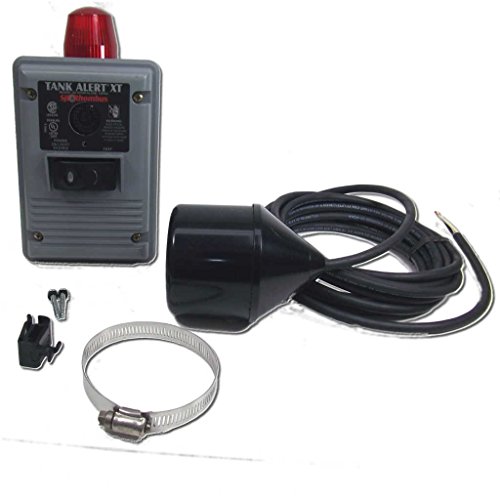
This XT model is designed for indoor/outdoor use with an IP-rated enclosure and automatic alarm reset. It also features a horn silence switch and alarm test switch for practical testing and daily use. Best for installations requiring weather-resilient construction and easy reset. Caution: may require separate monitoring if you need integrated WiFi alerts.
JDMSPEED Sump Pump High Water Alarm

This JDMSPEED alarm features a 110dB audible alert and an IP67 waterproof casing. It detects water level via a float switch and can activate the pump to prevent flooding. It also notes independent pump and alarm circuits to maintain alarm functionality even if the pump circuit fails. Best for flood threat protection with a robust, standalone alarm. Limitation: primary emphasis is on alarm and pump control; WiFi connectivity is not specified.
Buying Guide: Key Considerations For Wireless Septic Tank Alarms
- Connectivity: Choose between WiFi-enabled systems for remote alerts and purely local alarms depending on your monitoring needs and internet reliability.
- Alarm Features: Look for audible (dB level) and visual indicators (LEDs) and whether a device offers automatic pump activation or manual override options.
- Power and Safety: Prefer units with independent alarm circuits and UL-listed components to minimize cross-circuit failures and ensure compliance.
- Weather Resistance: For outdoor or basement installations, IP ratings (IP67) and rugged housings extend long-term reliability in harsh environments.
- Float Switch Design: Consider the switch type (float, level probe) and response time to ensure timely alerts and avoid false alarms.
- App and Alerts: If remote monitoring is important, verify real-time push notifications, and whether alerts can be shared with family members.
- Installation: Check wiring requirements, included cords, and whether the system supports automatic pump activation or requires external control.
Frequently Asked Questions
- What is the main difference between a WiFi-enabled and non-WiFi septic alarm?
WiFi-enabled alarms provide remote notifications through an app, while non-WiFi alarms rely on audible/visual alerts only. - Can these alarms operate if the power goes out?
Some systems require continuous power; others may have battery backup options not listed in the product data. - Do these alarms include automatic pump activation?
Several models offer smart outlets or independent circuits that trigger pumps automatically when needed. - Are all products suitable for outdoor use?
Outdoor suitability depends on IP rating and enclosure design; check IP67 ratings for weatherproofing. - How many users can access real-time alerts?
Some devices support sharing access with multiple users via the companion app. - What maintenance is required for long-term reliability?
Regular sensor and float checks, power cord inspection, and app status reviews help maintain reliability.