Discover top wood-burning cooking stoves built for heating rooms and cooking meals, from compact indoor stoves to versatile off-grid options. These picks are ideal for tiny homes, cabins, camps, and survival setups where reliable heat and cooking power are essential. The list highlights five stoves that balance durable construction, heat distribution, and practical cooking features.
Buyer quick guide: The table below compares key points to help you choose quickly.
| Product | Best for | Cooking/Heating Features | Notable Benefit |
|---|---|---|---|
| Comfort Glow Cast Iron Wood Stove | Small to medium living spaces | Large firebox; 900 sq. ft. heating; built-in cooking surface | Efficient, durable, compact design |
| Trailblazer Cookstove – Stonehouse Forge | Off-grid living and emergencies | Removable cooktop rings; two heat zones; oven | Versatile for boiling, frying, baking |
| Cast Iron Cooker Stove With Oven (Stepnext) | Tiny homes and cabins requiring oven capability | Integrated oven; 8×16 inch cooking surface; cast iron | Reliable built-in baking and slow cooking |
| Smokeless Gasifier Wood & Coal Heating Stove | Homes needing dual-fuel flexibility | Wood and coal use; gasifier design; thick oven | Multifunction for heating and cooking |
| Guide Gear Outdoor Wood Burning Stove | Outdoor cooking and camping | Camp-stove versatility; durable firebox; front iron door | Portable outdoor heating and cooking |
Comfort Glow Cast Iron Wood Stove

The Comfort Glow model emphasizes reliability for small to medium living spaces with a heat output strong enough to maintain comfort in homes up to about 900 square feet. Its large firebox is designed for longer burn times, promoting steady warmth. The heavy-duty cast iron construction supports consistent heat retention, making it a practical choice for households seeking durable build and straightforward operation. Best for buyers who want a dedicated indoor stove with a built-in cooking surface that remains efficient through the night. A potential limitation is its size and heat output may be less ideal for very large rooms or very rapid heat cycles in extremely cold climates.
Trailblazer Cookstove – Stonehouse Forge

This off-grid cooking solution features heirloom steel with rugged, long-lasting construction, folding legs, and gasket-free doors for simple maintenance in remote settings. Its removable cooktop rings and two heat zones support versatile cooking, including boiling, simmering, frying, and baking. A full-size baking oven accommodates standard pans, enabling bread, casseroles, and roasts. Choose this if you need a sturdy camp stove that doubles as a practical oven and can operate reliably without a power grid. A caveat is that it is designed for outdoor or semi-outdoor use and requires proper ventilation and setup to prevent smoke buildup indoors.
Cast Iron Cooker Stove With Oven

ThisStepnext cast-iron cooker centers cooking with an integrated oven chamber and a spacious 8×16 inch cooking surface. The top and oven components are all cast iron, delivering stable temperatures and excellent heat retention for consistent results. This stove suits buyers seeking a traditional, oven-inclusive cooking experience in a compact form factor. Limitations may include the oven’s capacity for very large meals and the need for steady attention to avoid heat buildup on small cooking surfaces when loaded with heavy pans.
Guide Gear Outdoor Wood Burning Stove
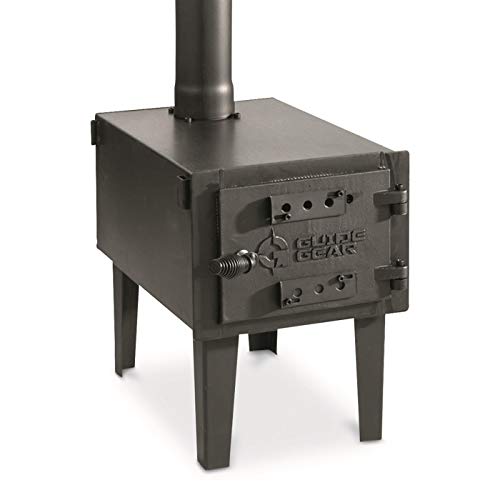
This outdoor-focused stove is built for heating and cooking in camping or backyard setups. It features a galvanized steel firebox with a heat-resistant finish and a cast-iron front door with air vent holes, ensuring robust durability and straightforward operation in rustic environments. It’s best for campers and outdoor enthusiasts who want a portable option that can be used for warm meals and basic heating. A potential drawback is its outdoor application, which may not suit indoor apartments or houses with strict ventilation requirements.
Buying Guide
Key considerations when choosing a wood-burning cooking stove include size, heat output, and cooking capabilities. The following questions help narrow choices to match your space and needs.
- What is the intended space size for heating and cooking?
- Do you need an integrated oven or just a cooktop?
- Is dual-fuel capability important for reliability in varying conditions?
- Will the stove be used indoors, outdoors, or both?
- How important is durability and heat retention for long-term use?
How to compare cooking features
- Integrated oven vs. separate cooking surface: An oven is ideal for baking and slow-cooking, while a cooktop supports quick meals and boiling.
- Heat zones and adjustability: Stoves with multiple heat zones offer better control for diverse recipes.
- Ventilation needs: Indoor use requires proper flue and draft management to prevent smoke buildup.
Material and durability considerations
- Cast iron offers excellent heat retention and longevity but may require a longer heat-up time.
- Steel or ductile iron can provide lighter weight with strong structural integrity.
Maintenance and safety tips
- Regularly inspect chimney connections and seals to ensure safe operation.
- Season cast iron surfaces appropriately to prevent cracking and improve heat distribution.
- Keep a metal ash bucket nearby and remove ashes after cooling to maintain airflow.
FAQ
- Can these stoves be used for cooking in small apartments? Yes, but ensure proper ventilation and local safety compliance.
- Which stove is best for off-grid camping? Trailblazer Cookstove and Guide Gear Outdoor stove are strong outdoor contenders.
- Are dual-fuel stoves better than single-fuel? Dual-fuel options offer flexibility when wood supply is limited or weather changes occur.
- Do integrated ovens heat evenly? Cast iron ovens retain and distribute heat well, but proper cooking strategies are still needed for even results.
- Is heavy cast iron worth it for frequent travel? Heavier stoves offer durability, but weigh more for transport; consider your setup needs.
- What maintenance is essential after long-term use? Clean flues, inspect seals, and reseason cast iron as needed to maintain performance.