For actual wood grain composite decking, the NewTechWood Cortes Plus sample is the most relevant choice here: it is a solid decking-board sample with two wood-grain faces. The NewTechWood fascia sample is better for evaluating a capped edge or finish, while the plastic and acacia interlocking tiles are alternative surface coverings, not composite decking boards. Compare the options below by material and intended use before choosing.
| Product | Best For | Material And Format |
|---|---|---|
| NewTechWood Cortes Plus sample | Comparing composite board grain | Solid composite board sample |
| NewTechWood Fascia sample | Reviewing fascia finish | Capped composite fascia sample |
| skillmaid interlocking tiles | Quick surface updates | Plastic snap-together tiles |
| Mapleyard diagonal tiles | Patterned patio coverage | Plastic snap-together tiles |
| GREEN ALLUVIUM acacia tiles | Natural hardwood appearance | Acacia wood snap-together tiles |
NewTechWood Cortes Plus Composite Sample
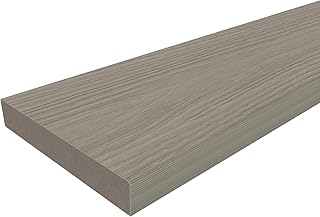
This is the strongest match for shoppers seeking wood grain composite decking. The solid board sample measures 0.88 inches thick, 5.43 inches wide, and 1 foot long. One face has a rustic wood grain; the other has a classic cathedral grain, giving buyers two textures to examine in a single sample.
Best for: Homeowners comparing composite board appearance before selecting a style. It was selected because it is a decking-board sample made from composite and presents two grain options. The listing identifies six available colors, which can help shoppers compare the Roman Antique sample with other color choices.
Consider: This is a one-foot sample, not a full-length board or a complete deck package. The listed installation method uses screws, so buyers should confirm project details and fastening requirements before purchasing boards.
NewTechWood Capped Composite Fascia Sample

This Roman Antique sample is a fascia piece rather than a standard walking-surface decking board. It measures 0.6 inches thick, 11.22 inches wide, and 1 foot long. The listed design has rustic wood grain on one side and classic cathedral grain on the other, and it is capped on all four sides.
Best for: Buyers comparing fascia color and grain or considering how a composite deck’s perimeter finish might look. The two-sided grain and capped edges make it useful for evaluating those specific details.
Consider: Do not treat this fascia sample as a substitute for a decking board. Its stated purpose and dimensions differ from the Cortes Plus solid board sample. The listing names six colors, but this sample is Roman Antique.
skillmaid Plastic Interlocking Deck Tiles

This 144-piece set uses 12-by-12-inch brown plastic tiles with a snap-together design. The manufacturer describes them as waterproof and suitable for indoor or outdoor use in changing weather. The tiles are intended for flat surfaces such as concrete, cement, or sand, and the listing says they can be cut to fit narrow areas.
Best for: Renters or homeowners seeking a modular surface covering for a balcony, porch, patio, or poolside area without installing composite boards. It was selected as a practical alternative because it can be assembled or removed without tools.
Consider: These are plastic tiles, not wood grain composite decking boards. Confirm that the surface underneath is suitable and flat; the listing does not provide a specific drainage or subfloor-preparation guide.
Mapleyard Diagonal Plastic Patio Tiles

These brown plastic tiles have a diagonal pattern and come as a 144-piece set. They snap together without tools, and the listing says they can be cut to fit corners. The manufacturer describes the high-density plastic as resistant to cracking and breaking and lists concrete, terrazzo, and cement among the suitable flat surfaces.
Best for: Shoppers who want a patterned modular floor covering for a patio, balcony, porch, garden path, or poolside area. Compared with the skillmaid set, the key stated distinction is the diagonal tile style.
Consider: The diagonal appearance does not make this a wood grain composite board. It is a plastic tile system, so choose it for its format and pattern rather than as a replacement for a conventional composite deck build.
GREEN ALLUVIUM Acacia Interlocking Tiles

This nine-piece set covers nine square feet, according to the product details. It uses Vietnamese acacia slats with a cured linseed-oil finish and a raised base that channels water underneath. The listed choices include three colors and two patterns. The manufacturer gives a 466-pound distributed-capacity figure and recommends flat, stable surfaces.
Best for: Buyers who prefer real hardwood’s natural appearance over plastic or composite and want snap-together tiles for a small area. It is an alternative flooring product, not composite decking.
Consider: The listing describes a pre-finished wood product, not a maintenance-free composite board. Follow the manufacturer’s care guidance and do not assume its capacity figure applies to concentrated loads.
Buying Guide: How To Choose Wood Grain Decking
Do you need a composite board or a quick-cover tile?
Choose a composite board when you are planning a deck built with decking boards and want a wood-grain appearance. The Cortes Plus sample is the direct fit in this selection. Interlocking tiles are a different installation format for covering suitable existing surfaces; they do not function as full-length decking boards.
Why order a sample first?
A small sample lets you inspect grain, color, and surface appearance before making a larger material decision. View it in the outdoor light where it will be used, and compare the two faces when both are textured. A sample cannot show the full look of a completed deck or establish project-specific installation requirements.
What should you check before buying?
- Confirm whether the item is a decking board, fascia, plastic tile, or hardwood tile.
- Check dimensions and coverage. The acacia set lists nine square feet; the composite products are one-foot samples.
- For interlocking tiles, verify that the existing surface is flat and among the listed suitable materials.
- For a composite deck, review the product’s installation instructions and fastening requirements before planning the structure.
- Compare grain style, color, and material rather than relying on the word “wood” alone.
Frequently Asked Questions
Which option is actual wood grain composite decking?
The NewTechWood Cortes Plus is identified as a solid composite decking-board sample with rustic and cathedral wood-grain faces. The NewTechWood fascia is also composite, but it is a fascia sample.
Are plastic interlocking tiles composite decking?
No. The skillmaid and Mapleyard products are plastic snap-together tiles. They are surface-covering alternatives, not composite decking boards.
Is the acacia tile set composite?
No. Its listed material is Vietnamese acacia hardwood with a linseed-oil finish.
Can the Cortes Plus sample build a deck?
It is a one-foot sample. It is intended to help compare the board’s grain and appearance, not to provide complete deck coverage.
What is the difference between decking and fascia?
Decking boards form the walking surface, while fascia is used as a finishing piece. The listed NewTechWood fascia sample should not be mistaken for the Cortes Plus decking-board sample.