Wood pellet insert stoves offer efficient heating, easier ash cleanup, and a clean aesthetic for living spaces. This guide highlights five top performers that balance heat output, hopper size, and smart features. Each pick comes from trusted brands and is designed to fit mid- to large-area homes. Read on for concise product sections, a quick buying guide, and practical considerations to help you choose a model that matches your space, venting needs, and energy goals.
| Product | Brand | Approximate Heating Capacity | Hopper Size | Special Feature |
|---|---|---|---|---|
| Comfortbilt HP22 | Comfortbilt | Up to 2,800 sq ft | 55 lb | Large viewing bay; powerful blower |
| ComfortBilt HP22-N | Comfortbilt | Up to 2,800 sq ft | Not specified | EPA and CSA compliant; efficient design |
| Canyon Lodge Bayfront | Canyon Lodge | 1,800–2,500 sq ft | 66 lb | Bayfront window |
| Cleveland Iron Works Medium | Cleveland Iron Works | 1,500–2,200 sq ft | 60 lb | Built-in WiFi; smart home ready |
| Comfortbilt HP21 Pedestal | Comfortbilt | Up to 2,400 sq ft | 40 lb | Pedestal design; EPA and CSA certified |
Comfortbilt HP22 Wood Pellet Stove
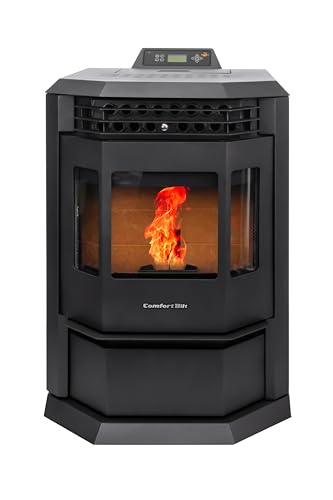
The Comfortbilt HP22 is designed for larger spaces and features a wide viewing area, a robust blower, and a 55-pound hopper. It requires proper ventilation and can heat up to about 2,800 square feet, depending on insulation and climate. The stove’s bay-style window offers an expansive view of the flame, contributing to a cozy room ambiance. Maintenance is straightforward, with easy access for ash removal and cleaning. Its performance profile suits homes seeking strong, consistent heat in living areas without frequent reloads.
ComfortBilt HP22-N Pellet Stove Burgundy

The HP22-N builds on Comfortbilt’s reliable platform with EPA and CSA compliance, signaling low emissions and efficient operation. It offers heating performance suitable for spaces up to 2,800 square feet under typical conditions. The Burgundy model emphasizes a refined finish, expanding visual appeal in living rooms or family rooms. This unit prioritizes efficient heat use and ease of maintenance, supporting economical pellet consumption and a comfortable, consistent ambient temperature.
Canyon Lodge Bayfront Pellet Stove

The Canyon Lodge Bayfront blends a practical heating capacity with a 66-pound hopper for extended cycles between fills. It is suited for homes that need steadier heat output across a wider area, offering a heating range of 1,800 to 2,500 square feet. The bayfront window adds charm and provides a visual focal point. This model is a balanced option for users seeking a traditional stove look with modern pellet efficiency and a sizable fuel reservoir.
Cleveland Iron Works Medium Pellet Stove

The Cleveland Iron Works Medium model covers 1,500 to 2,200 square feet and includes built-in WiFi for smart home integration. A 60-pound hopper supports longer burn times between refuels, which is convenient for households needing steady warmth during extended evenings. The unit emphasizes user-friendly operation, programmable temperature control, and remote monitoring that aligns with modern home automation trends.
Comfortbilt HP21 Pedestal Pellet Stove

The HP21 Pedestal model emphasizes a pedestal design with a large viewing bay, combining aesthetics with performance. EPA and CSA certification support compliant emissions, and a 40-pound hopper helps manage refueling without frequent interruptions. Features such as auto ignition, an ash pan, and a programmable thermostat contribute to a convenient, low-maintenance heating solution for mid-sized living spaces, especially where floor-ceiling installation considerations are important.
Buying Guide
Key considerations when selecting a wood pellet insert stove include room size, insulation quality, and venting requirements. For larger areas, models with higher heat output and bigger hoppers reduce reload frequency, but may require more robust venting and clearances. Look for EPA or CSA certifications to ensure emissions are controlled and energy efficiency is optimized.
- Heating capacity: Match the square footage you intend to heat. If you live in a drafty home, prioritize higher BTUs and blower performance.
- Hopper size and fuel logistics: A larger hopper means longer burns between refills but heavier units. Consider how often you want to refill and your pellet supply.
- Ventilation and installation: Most inserts require a proper venting pathway to exhaust combustion byproducts. Check local codes and whether a professional installation is necessary.
- Smart features: Built-in WiFi, thermostats, and programmable settings can simplify operation and integration with home automation.
- Maintenance: Access for ash removal, cleaning of vitreous components, and ease of blower access affect long-term satisfaction.
- Tax credits and incentives: Some models qualify for tax credits or utility rebates due to efficient standards. Verify current programs in your area.
- Aesthetics and design: Window size, finish, and overall appearance should complement your room style and furniture layout.
Additionally, consider noise levels from the blower, ease of obtaining replacement parts, and the availability of customer support. A stove with a broad warranty and accessible service network tends to offer a lower total cost of ownership over time. When evaluating options, compare real-world performance reports, installation requirements, and the comfort level each model provides during peak winter use.